Entries
- 1
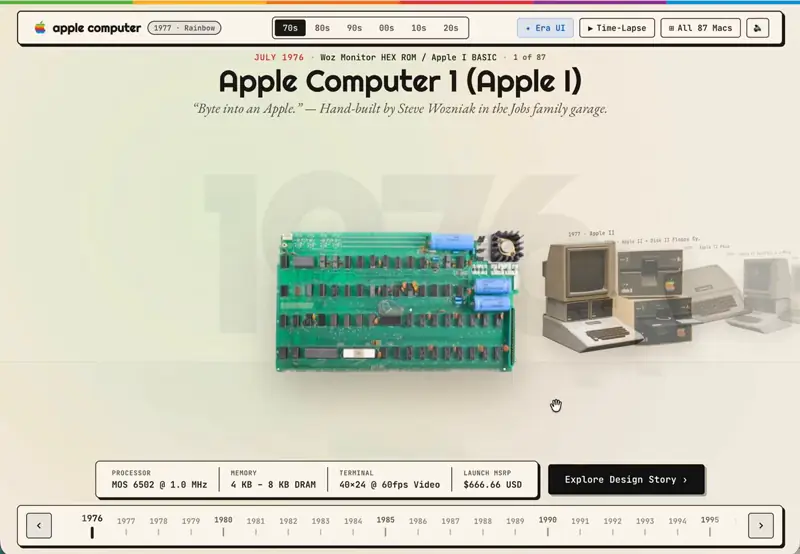
Given no images or data, Gemini 4 Argon scraped archival Mac photos, wrote its own image-cleaning tool, gathered 50 years of specs and built a 3D Cover Flow museum whose UI changes with each decade.
- 2
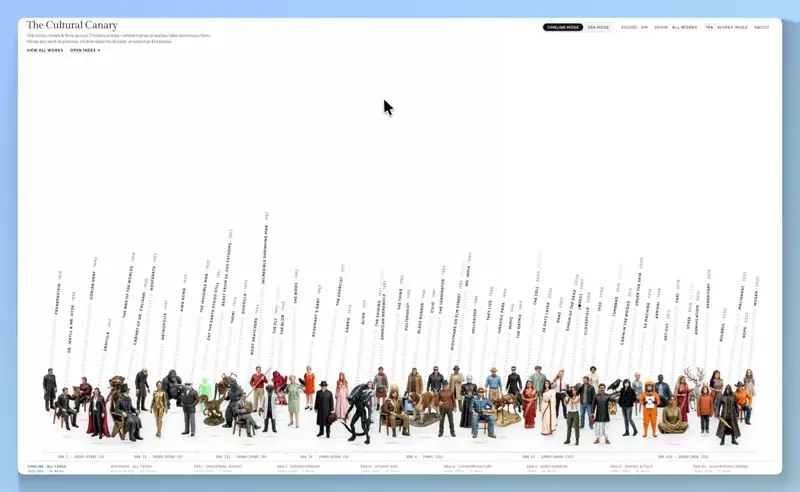
Soumya used Argon to apply psychoanalytic film theory and build an interactive site that traces over a hundred horror and sci-fi films back to the social traumas they turn into monsters and dystopias.
- Your product hereOpen slot · from $15 a weekPut your product in front of people building with the newest AIOne row on this list, between the builds readers come for, labelled Sponsored.Book this spot
- 3
Vamsi Batchu gave Gemini 4 Argon @Aprilzz423's colorfigures skill and had it build six interactive diagrams of machines and subjects. Each one is a single HTML file that animates how the thing works.
- 4
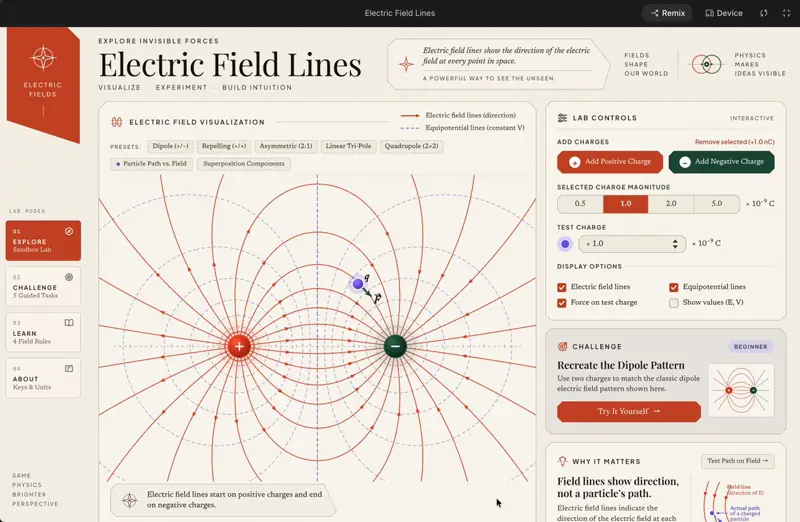
From a single prompt, Argon built an interactive physics lesson on electric field lines, with draggable charges, challenges and separate learning pages, useful for students and teachers.
- 5
A history teacher gave Gemini 4 Argon only her lesson context and got back a playable quiz game on ancient civilisations, her first app made without a ChatGPT-written prompt. A real classroom tool rather than a demo.






More from Gemini 4 Argon
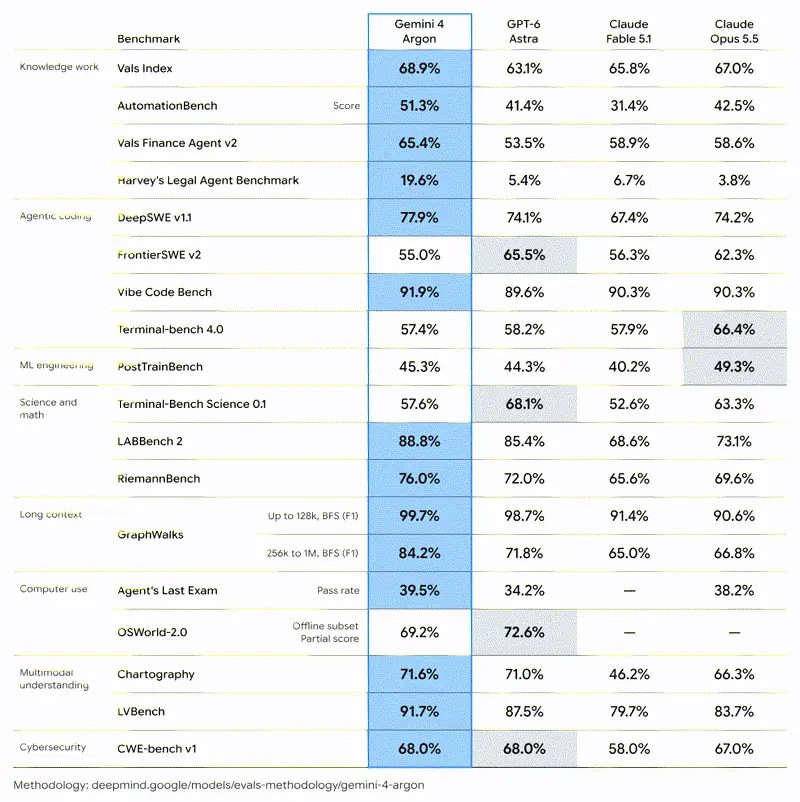
All 29Lots of discussion out there about our next model(!), so I wanted to give an early look as soon as possible. Introducing Gemini 4 Argon! It shows frontier performance in complex workflows, cyber defense and software engineering. Teams are using it extensively at Google, from…
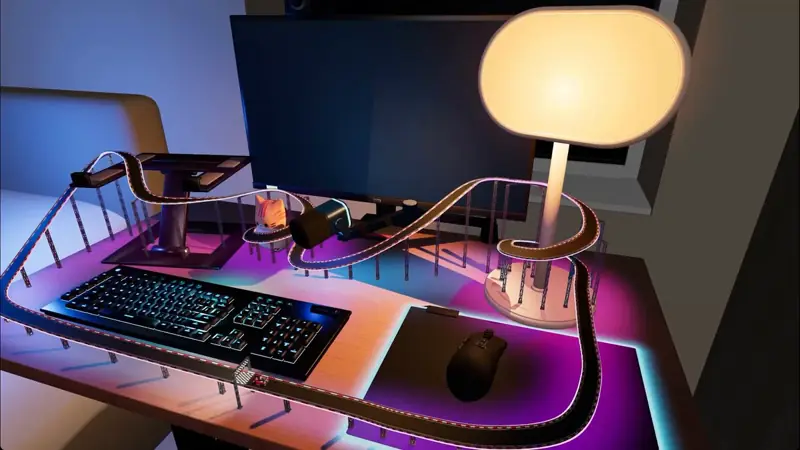
Genevieve photographed her desk and had Argon rebuild it as a racing track with Blender MCP and Three.js, complete with physics and engine audio, and shared a how-to thread.
Ammaar Reshi built a set of six games with Argon, including tennis played with your phone as the racket, and published all prompts and source code so anyone can play or remix them.
My first OBSERVATIONS from Sundar's Gemini 4 Argon announcement: 1. Quantum. Google's quantum researchers gave Argon a key piece of quantum software to shrink, and in minutes it found a version that needs 40% fewer qubits and operations than the best published human solution…