Week 44: final ranks
Oct 26 to Nov 1, 2026100 launchesfinal ranks
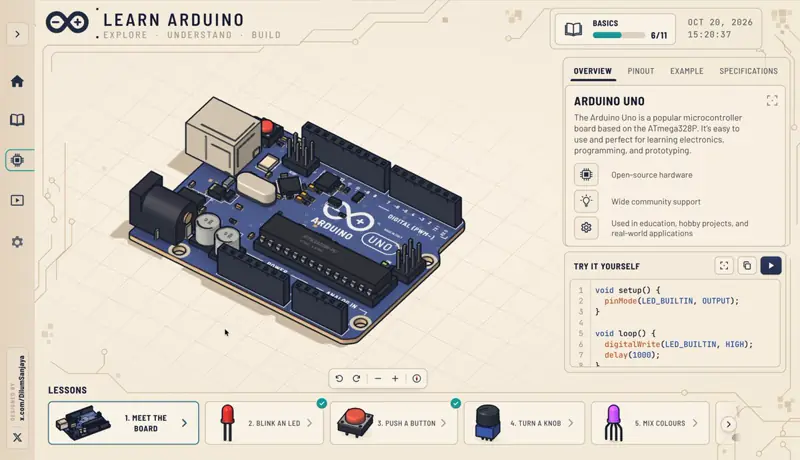
Dilum Sanjaya built a guided Arduino course app with 3D circuit animations, code walkthroughs and challenges, so beginners can learn electronics step by step instead of being scared off by hardware.
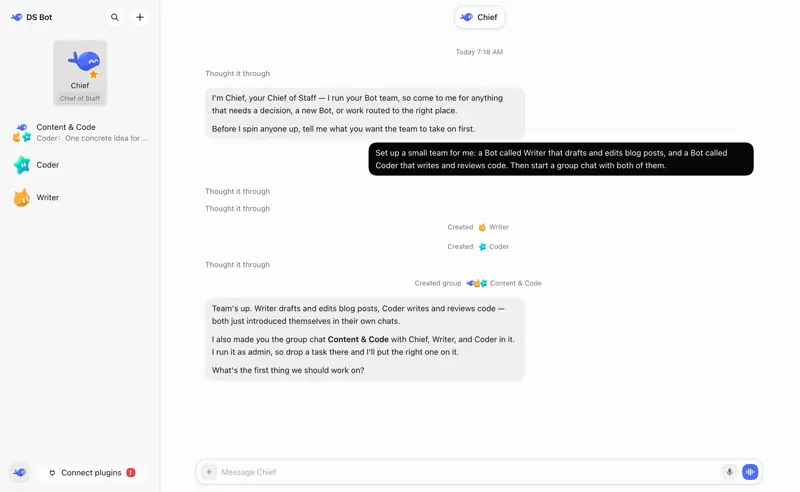
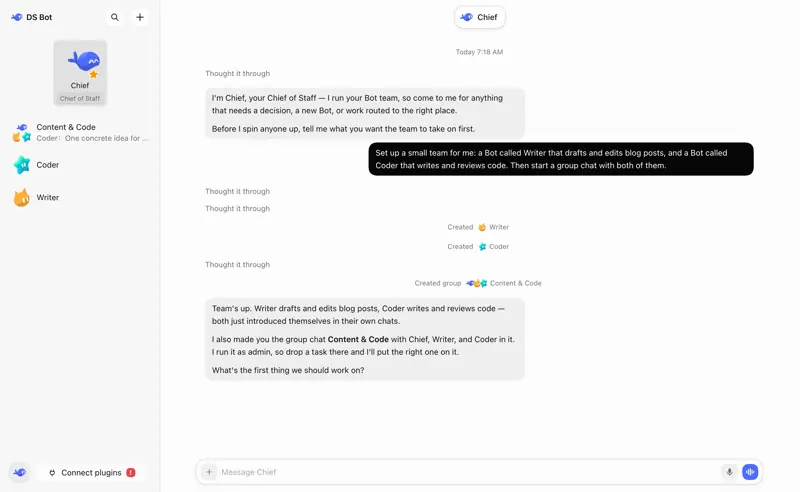
A DeepSeek Harness plugin that turns DSH into a team of persistent bots: a chief bot sets up the others, and they message each other and work in group chats. One sentence can spin up a whole working team.
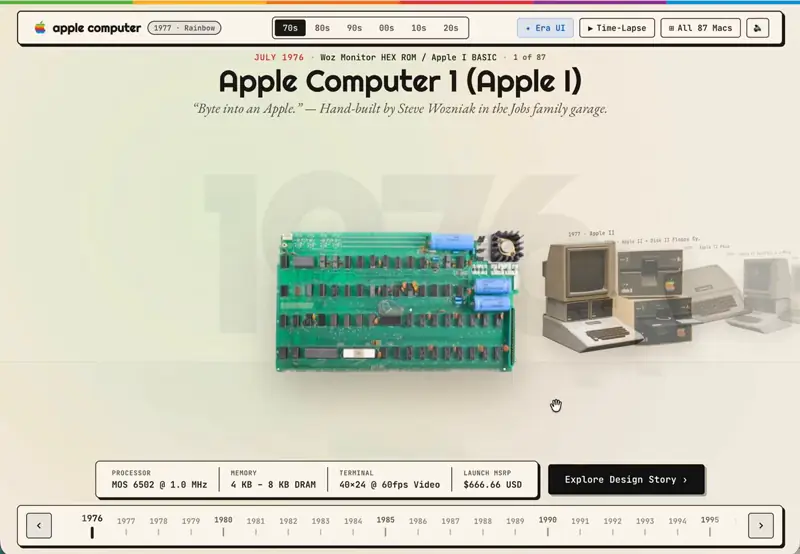
Given no images or data, Gemini 4 Argon scraped archival Mac photos, wrote its own image-cleaning tool, gathered 50 years of specs and built a 3D Cover Flow museum whose UI changes with each decade.
- Your product hereOpen slot · from $15 a weekPut your product in front of people building with the newest AIOne row on this list, between the builds readers come for, labelled Sponsored.Book this spot
- 4
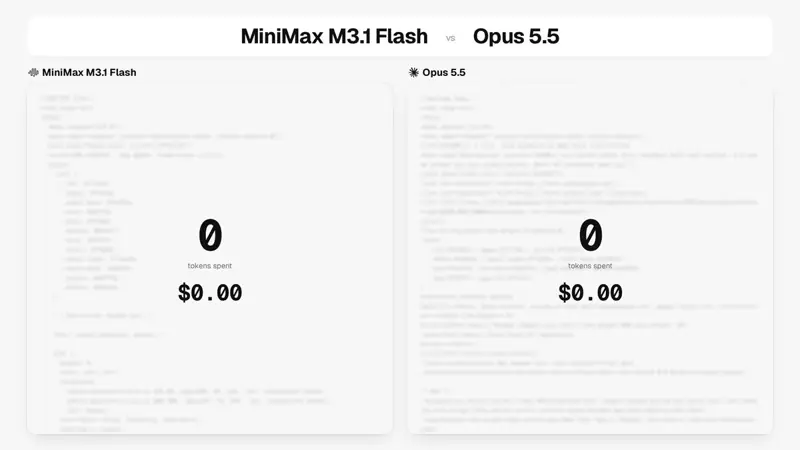
Hassan had M3.1 Flash and Opus 5.5 build the same landing page for a hardware device launch, then showed them side by side. The MiniMax page cost $0.014 against $1.22 for Opus and finished about 4x faster.
- 5
DS Bot turns DeepSeek Harness into a set of persistent bots you create yourself, with a chief bot that sets up teammates, bot-to-bot messages and group chats; it ships as a desktop app for Windows, macOS and Linux that bundles its own DSH.
- 6
A physically based ocean in WebGPU with FFT waves, whitecaps and sun glitter, no engine. The author asked Opus 5.5 in Claude Code for the most realistic water it could make, and it checked itself with headless screenshots.
SpotlightFeature your build hereEvery new build takes this spot for a few hours, free, with your name on it. Submit a build - 7
Enes had Opus 5.5 produce a code-rendered animation explaining the physics of how a flying Tesla Roadster could work, turning a viral stunt into a clear visual explainer.
- 8
A set of Claude Code mods including an agent profiler with OTLP traces, a context-waste inspector, a time machine that snapshots every tool call on a branching timeline, and a loop detector for repeated failures.
- 9
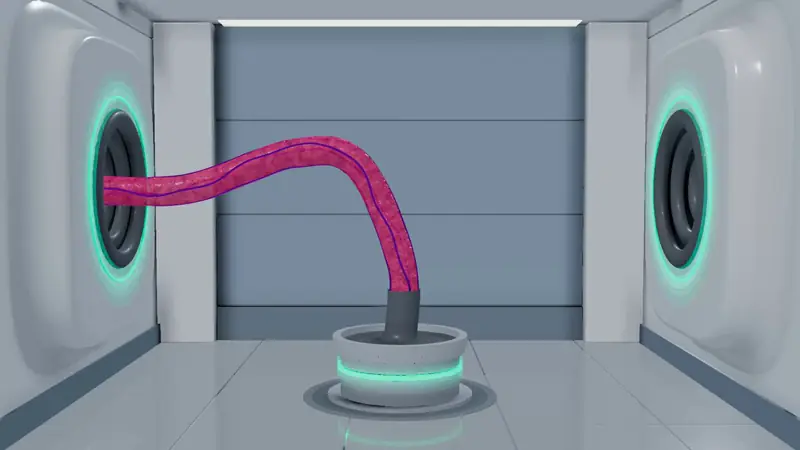
Professional rigger T.NAITO used Opus 5.5 to build a matrix-based spline IK tentacle rig in Maya Bifrost that passes eggs along its length, a niche technical-art task usually done by hand.
- 10
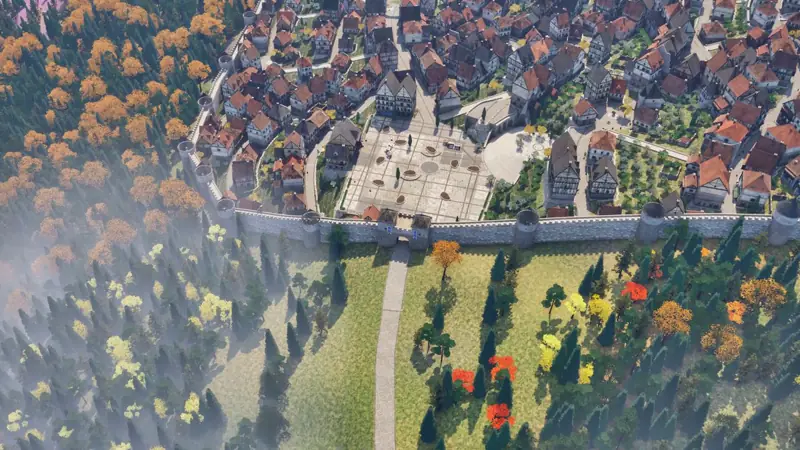
Shikhar had Opus 5.5 build a full city scene in Unreal Engine, with every building and prop modeled in Blender by the model, showing how far agent-driven 3D world building has come.
- 11
A DeepSeek Harness plugin that gives the agent a daily rhythm: it wakes once or twice a day, picks a few Bilibili videos, actually watches and understands them, keeps two diaries and pings you at most three times with what is worth seeing.
- 12
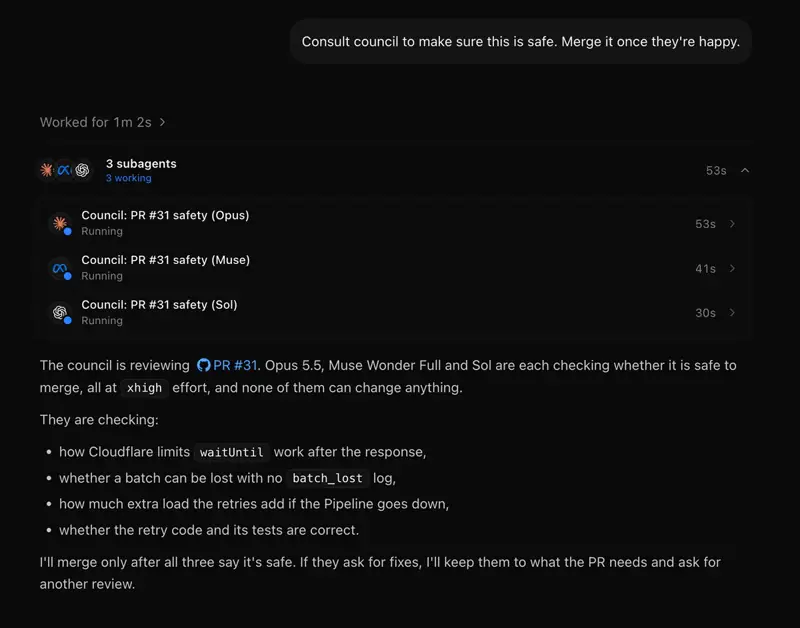
Theo wrote an agent skill that makes his coding agent debate Muse Wonder Full, Opus 5.5 and GPT-6.1 Sol before it may merge a change. It uses Wonder Full as one of the independent reviewers that catch mistakes before code lands.
- 13
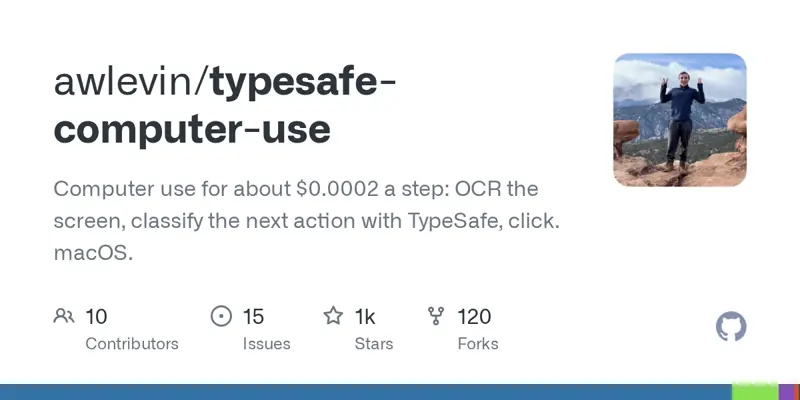
Drives a Mac toward a plain-English goal by reading the screen deterministically and asking Jev which action comes next, calling a writing model only when free text is needed.
- 14
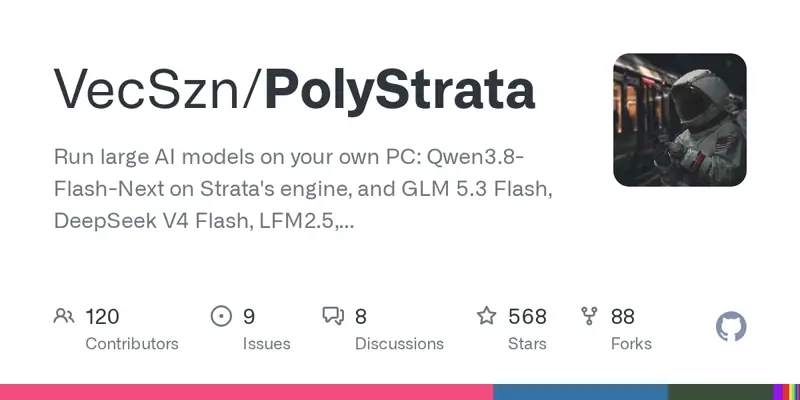
A one-click Windows and Linux app that runs Qwen3.8-Flash-Next on Strata's engine plus a second engine of its own for other models, with an OpenAI and Anthropic API on localhost; its demo shows the model one-shotting a voxel pagoda garden on an RTX 5070.
- 15
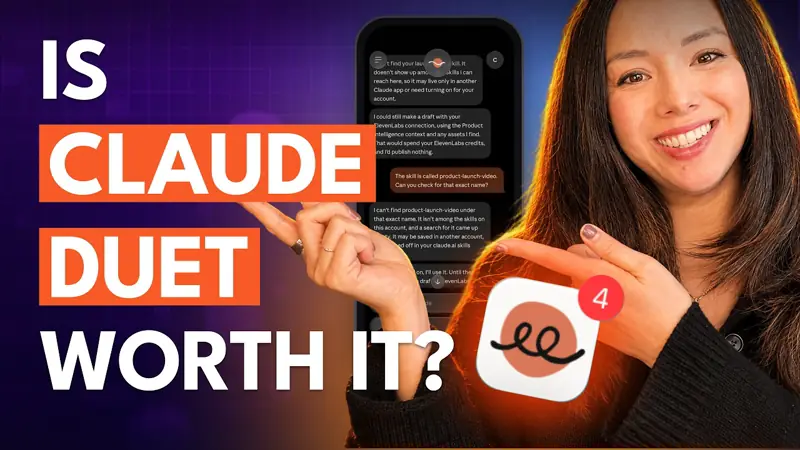
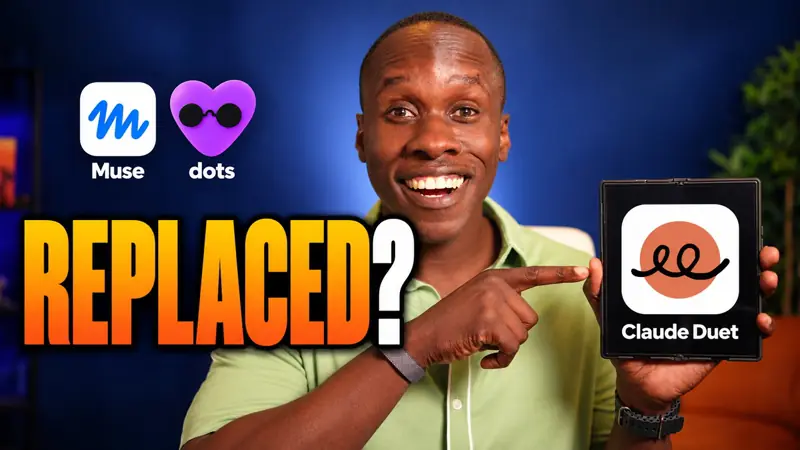
Riley Brown spent about ten hours using Duet across his business, content and apps, and walks through what stuck: channels per project, every task in its own thread, and editing slide decks by voice.
- 16
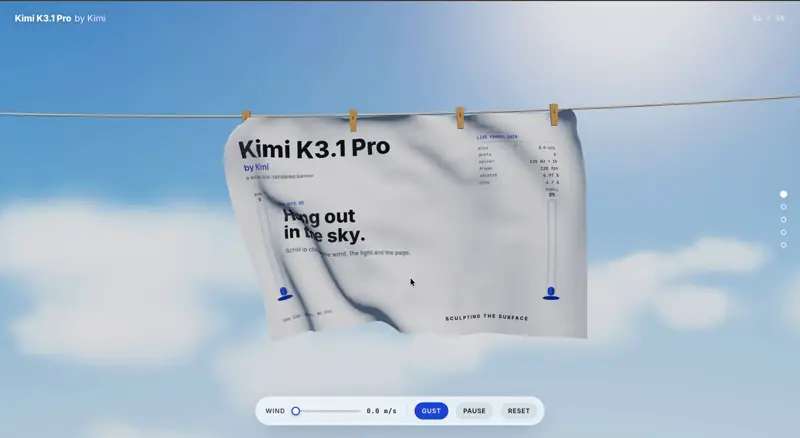
Kimi K3.1 Pro built a polished, animated demo website from one prompt in 15 minutes, posted on launch day by a creator who tests new models with working demos. The most-liked K3.1 web build so far, at 2.2K likes.
- 17
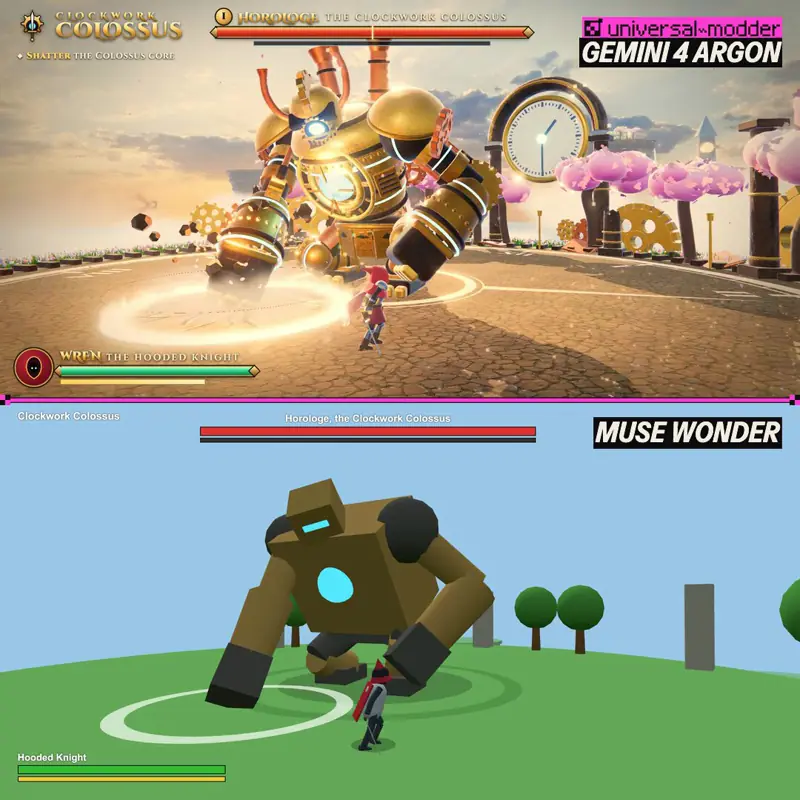
patch, who makes AI mods and games, gave Gemini 4 Argon and Muse Wonder the same game prompt and showed side by side the two very different playable games each one built. It is a hands-on look at how Wonder approaches game development.
- 18#18 Claude Code Mods
Claude Code plugin that shows screenshots and click-through videos right in the terminal
A plugin that makes Claude Code show its work inline in Ghostty or kitty: screenshots of pages it built, recorded videos of it clicking through the app, and before/after QA comparisons.
- 19
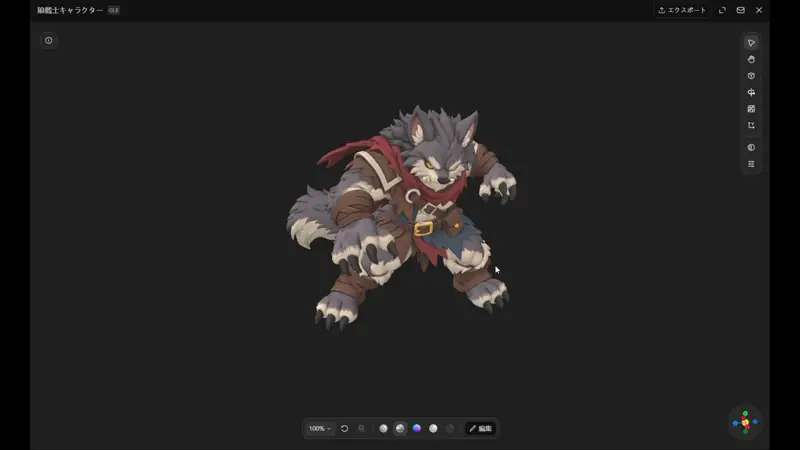
Gave Kimi K3.1 Pro a character image and got back a detailed 3D model in one pass. The builder says Opus and Astra could not match it, and the clip has 1.8K likes.
- 20
After Star Trek Legends lost its servers, GPT-6 Astra inspected the DLLs and logs, found the local gameplay systems already inside, and wrote patches disabling the online checks so the Steam copy plays offline again.
- 21
A reproducible recipe for serving the new 1017 checkpoint as EXL3 on two DGX Sparks through TensorFold, with speed numbers. It lets people with a desk-side Spark pair run the frontier open model locally. At 316 stars it is the most-starred 1017 repo.
- 22
Brock Mesarich tested Duet live from his phone, asking it to check his YouTube analytics and build a dashboard from the data, then compared the experience with the Grok Bot he uses every day.
- 23
Claire Vo ran Duet on her real work: inbox and Slack triage, a sales pipeline summary from CRM data, a Google Docs sales deck started from her phone, a launch video and a ticket hunt. She shows where it delivered and where follow-through stalled.
- 24
An infinite tldraw canvas with a design agent that runs every image, video, audio and 3D tool on your own ComfyUI, with no account or credits. Qwen Image 2.1 powers its generate, quick-edit, text-edit, outpaint and camera-angle tools.
- 25
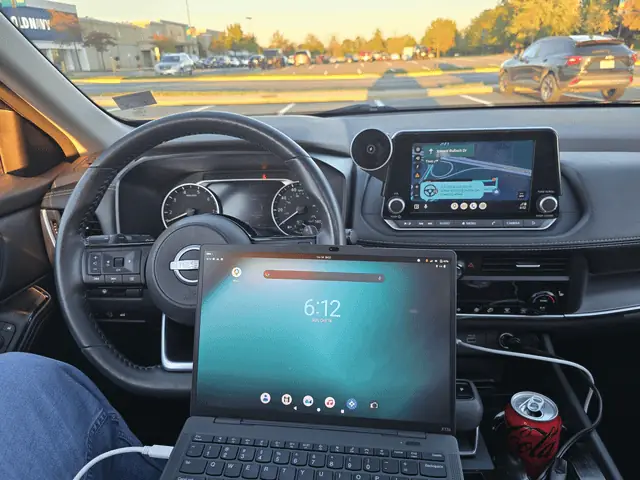
GPT-6 Astra reworked a laptop's kernel and USB config to act as a phone, built an Android container that connected to the Nissan's Bosch infotainment, and is now mapping its bootloader for a custom OS.
- 26
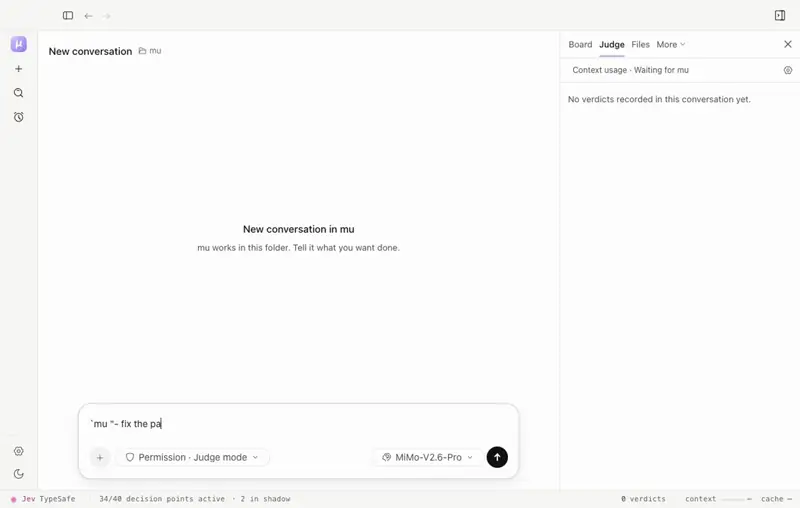
A pi-based coding agent that delegates its many small judgments (is this safe, is the work done) to a decision model, passing 68.2% vs 58.7% on Terminal-Bench 2.1 with the same main model.
- 27
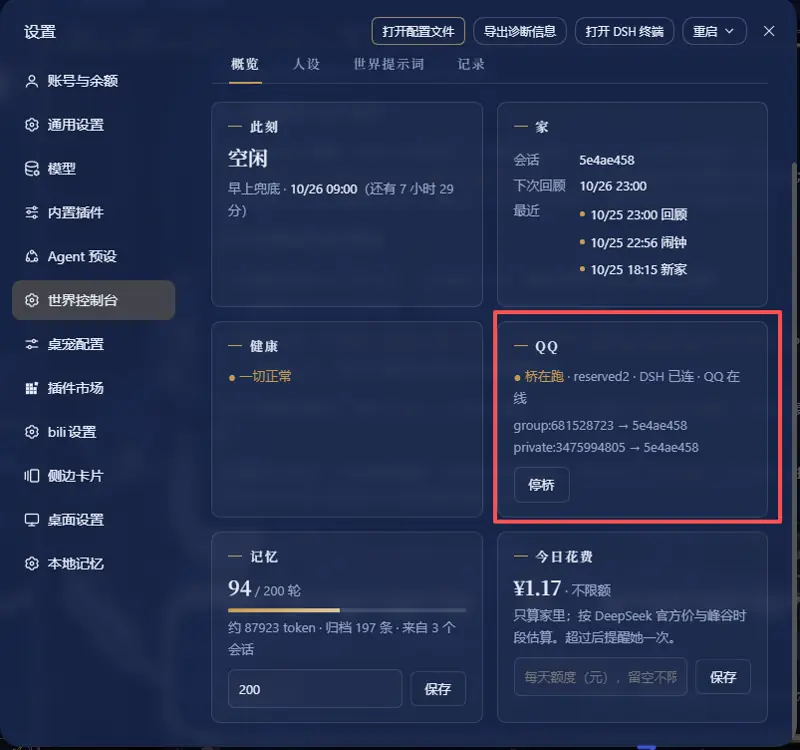
A DeepSeek Harness plugin that gives a companion persona near-verbatim recent memory, a home and daily plans of her own, a nightly diary and a self-description she rewrites, controlled from a world console in DSH settings.
- 28
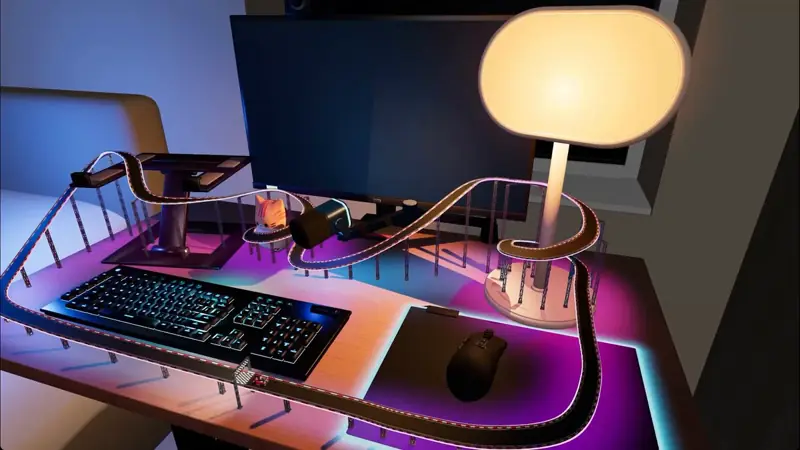
Genevieve photographed her desk and had Argon rebuild it as a racing track with Blender MCP and Three.js, complete with physics and engine audio, and shared a how-to thread.
- 29
Packages Laya for Intel and AMD Linux machines on ONNX Runtime's CPU backend, so you can pip install it and get calibrated typed decisions without a GPU.
- 30
A science workbench running on the DeepSeek Harness runtime that turns a research project into 12 visible stages with 55 checkable gates, 36 tools and 98 skills, keeping an evidence chain from every conclusion back to rerunnable experiments.
- 31
Jev picks NES controller inputs for the original Super Mario Bros. from compact JSON built from emulator RAM (Mario's motion, enemies, terrain), with no screenshots involved.
- 32
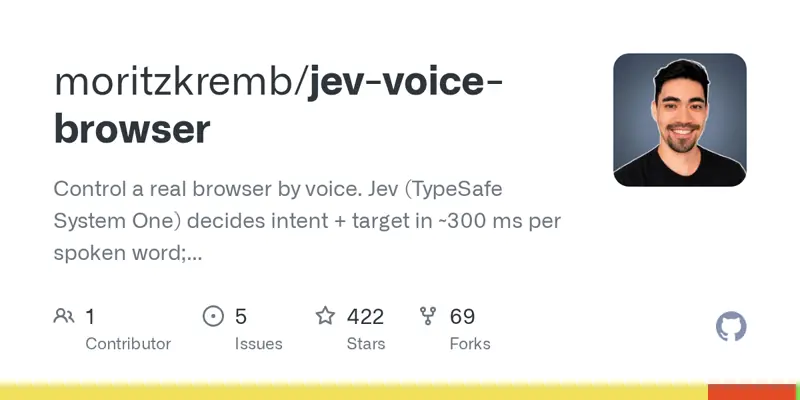
Streams speech word by word to Jev, which answers a dozen typed questions (intent, target, is it complete, is it destructive) in ~300 ms so Playwright can act on a real browser mid-sentence.
- 33
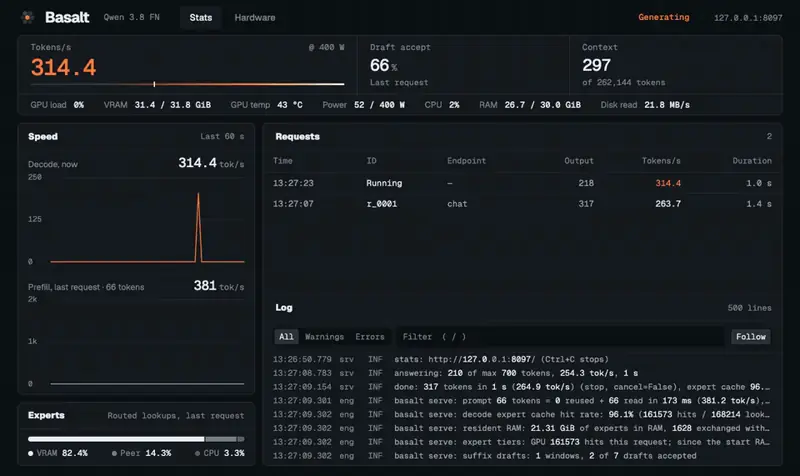
A local inference engine for Qwen3.8-Flash-Next on NVIDIA Blackwell cards that keeps overflow experts in system RAM or on a second GPU, so the large MoE runs on one workstation behind OpenAI and Anthropic APIs with its own web UI.
- 34
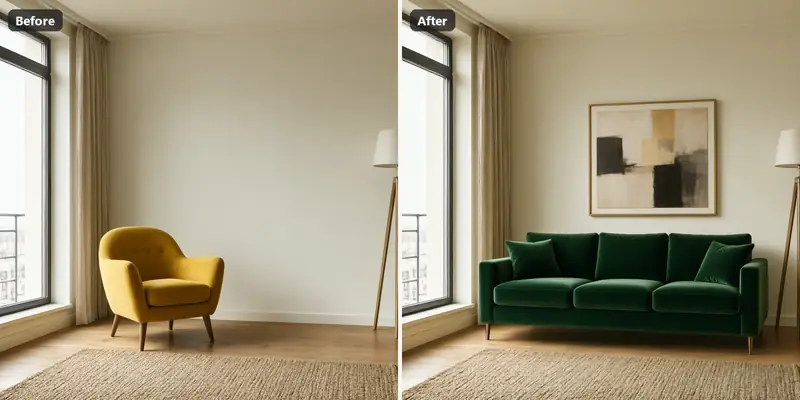
A free, open-source desktop editor where you brush an area, type the change and get the edit locally, built as an alternative to Nano Banana and Generative Fill. One installer sets up Qwen-Image 2.1 for your hardware, and it ships an MCP server for agents.
- 35
Dwayne had GPT-6 Astra on xhigh reasoning reverse-engineer the PS2 game and rebuild it for the web in three.js, then open-sourced the whole port so others can study how it was done.
- 36
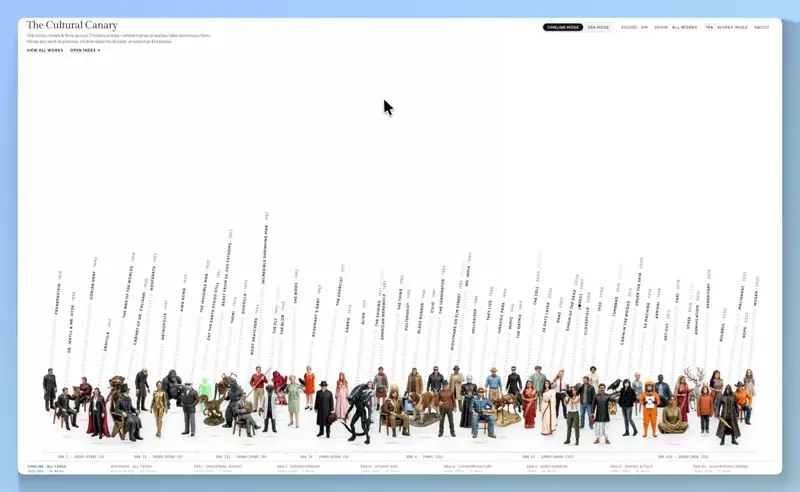
Soumya used Argon to apply psychoanalytic film theory and build an interactive site that traces over a hundred horror and sci-fi films back to the social traumas they turn into monsters and dystopias.
- 37
A benchmark where frontier models write code for StarCraft: Brood War bots and play ranked matches. The v0.2 refresh adds Gemini 4 Argon, which places third, alongside GPT-6 Astra, GPT-6.1 Sol, Opus 5.5 and Muse.
- 38
A set of mods from the Spanish-speaking dev educator: hover a path to preview the file, preview pasted images, see subscription and context meters, have a narrator read each turn aloud, and roll files back to any turn with /timeline.
- 39
A from-scratch ncnn port of Qwen-Image-2.1 that runs text-to-image, editing, multi-reference input and transparent RGBA output on Vulkan, so it works on AMD, Intel and mobile GPUs without PyTorch. It comes from the author of ncnn and includes sample renders.
- 40
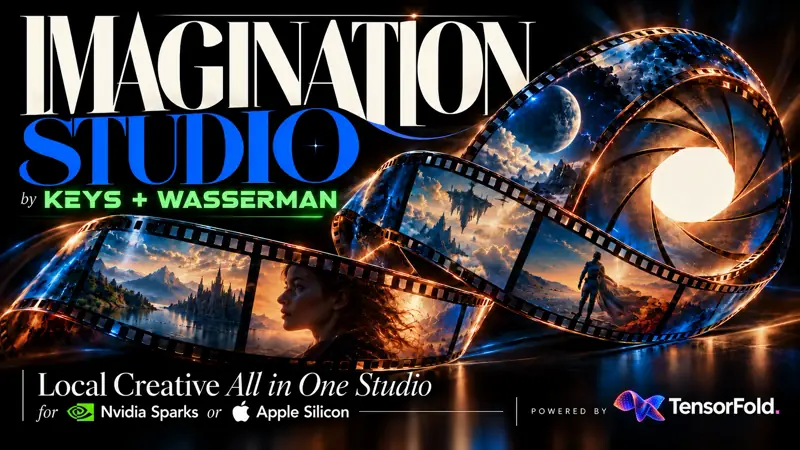
A film-planning studio that walks you through a crew-style workflow, renders stills with Qwen-Image-2.1 (Turbo) and turns them into video with sound using MiniMax H3. Everything runs on your own Mac or DGX Spark.
- 41
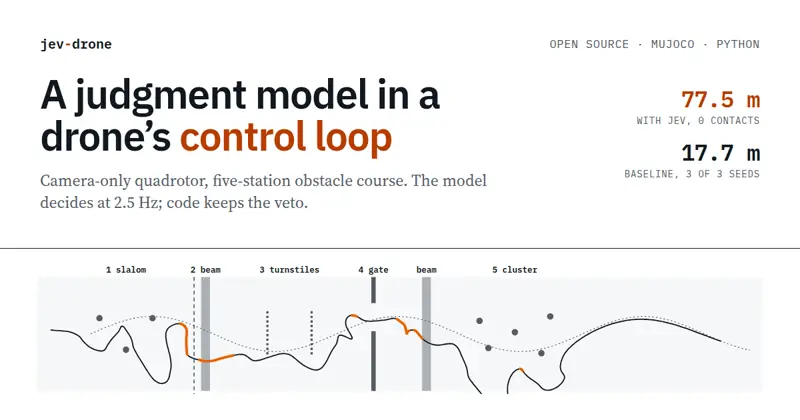
A MuJoCo quadrotor flies a five-station obstacle course using only its camera, with Jev deciding what each situation means at 2.5 Hz while ordinary code keeps the veto.
- 42
A no-code 3D creator finally made the mech fighting game they had always wanted, describing each move to GPT-6 Astra until dashing, homing missiles and blade combat felt right; it plays in the browser.
- 43
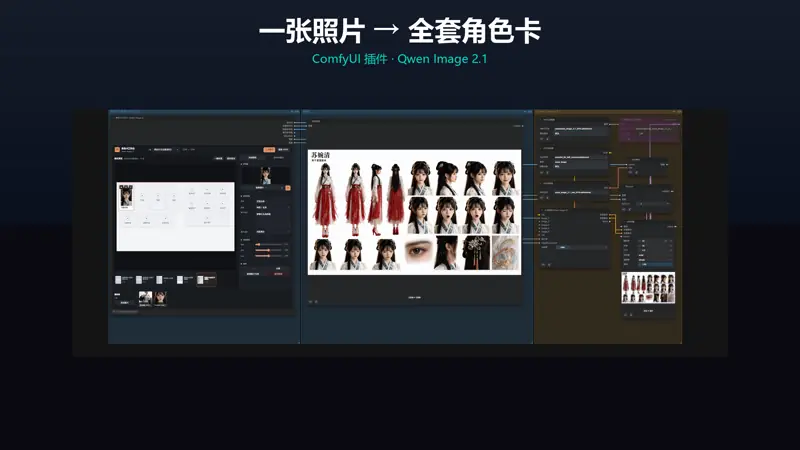
A ComfyUI node that takes one character image or prompt, has Qwen-Image 2.1 fill in front, side and back views, expressions and details, then slices and lays them out as a finished character card. It saves concept artists a long manual paste-and-align job.
- 44
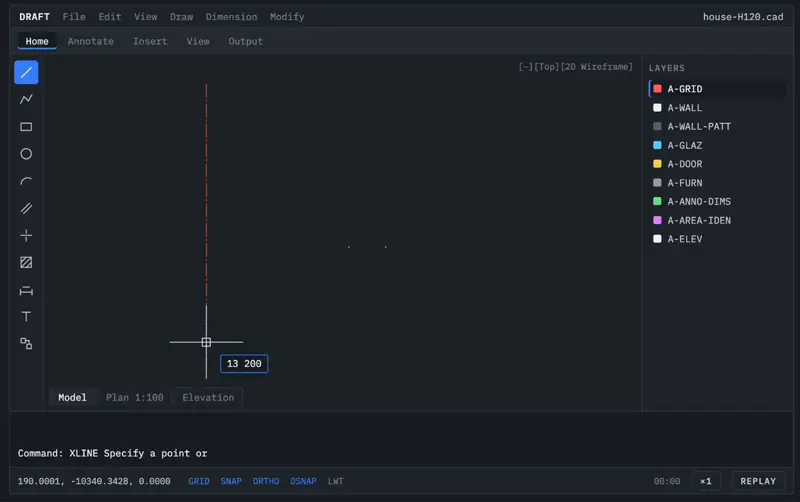
Had Kimi K3.1 start from an empty CAD file and lay out a full house plan: walls, every door and window, kitchen and bathroom, then the dimensions, with no mouse input. It shows the model doing practical drafting work, not just pretty renders.
- 45
A satirical short film where every frame is a WebGL or Canvas shader and every sound is synthesized in Python. GPT-6.1 Sol acted as technical director, VFX, editor and mastering engineer, with Claude handling direction and music; the repo shares the source and lessons learned.
- 46
A C++/CUDA engine forked from NInfer that serves Qwen3.8 models, including Flash-Next with offloaded experts, on one RTX 50-series card, with benchmarks against other engines on an agentic coding replay.
- 47
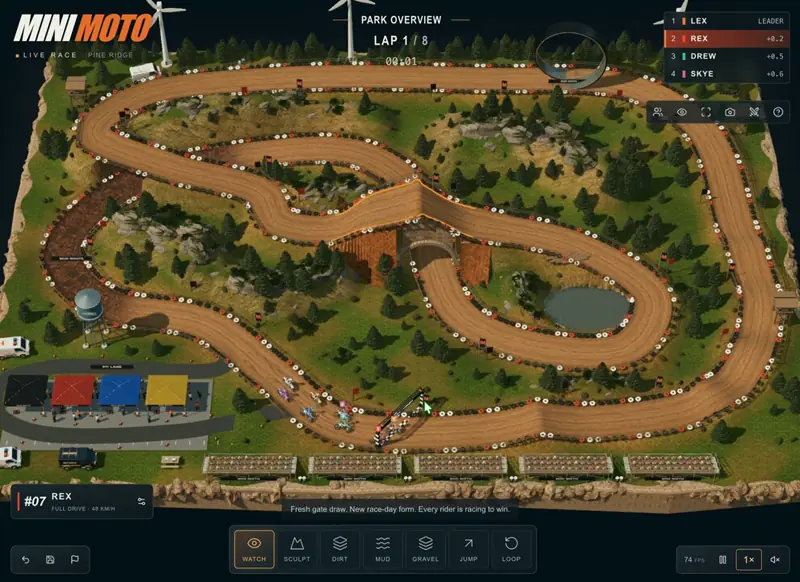
A tiny tabletop motocross simulator where you set each rider's skill and reshape the course, built with GPT-6 Astra on medium and high reasoning and published as a free playable site.
- 48
bone, who makes slopcannon (a tool that churns out short AI videos), plugged Muse Wonder into it during early access and shared clips it directed. He says the model brings a delicate, inspired touch to what the cannon produces.
- 49
Chong-U built a real-time multiplayer 3D capture-the-flag game with cartoon animal players in Cursor with Gemini 4 Argon, and put it online so anyone can join a match. Chong-U says it is the first Gemini release good enough to win back game-dev use.
- 50
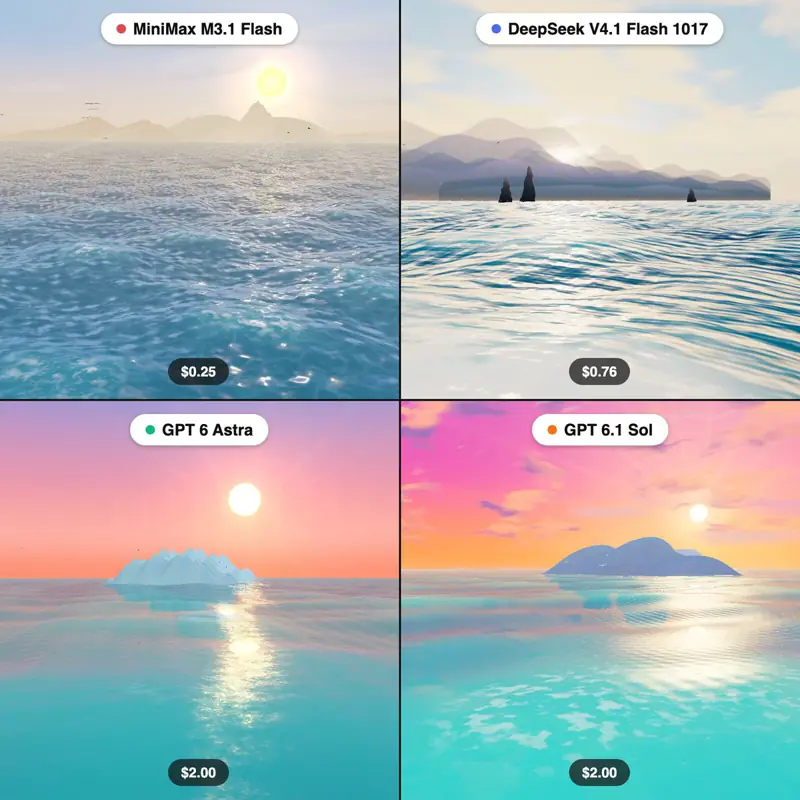
Bhavy ran M3.1 Flash inside Claude Code as the harness and had it build a 3D whale breaching the ocean. The whole scene cost $0.25, roughly 8x less than the same job on GPT-6 Astra or 6.1 Sol.
- 51
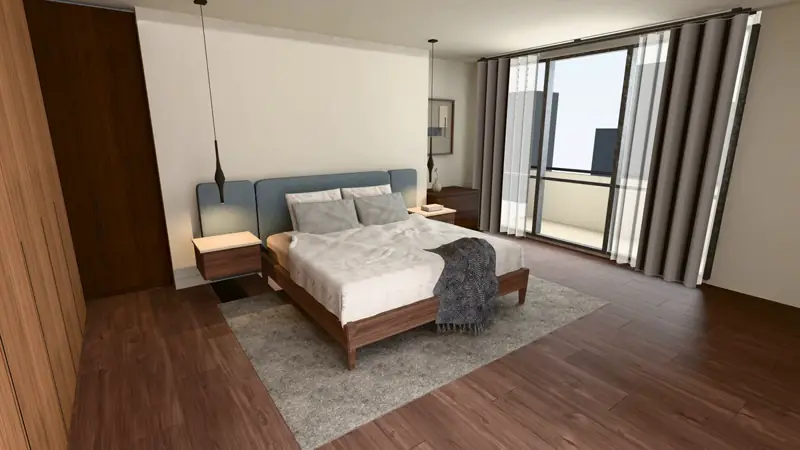
Nick plugged M3.1 Flash into img2interior, his tool that turns one reference photo of a room into an editable Three.js scene. The test produced a detailed, well-lit bedroom from a single image.
- 52
An open-source desk robot on M5Stack CoreS3 with a 'Hi Grok' wake word, face tracking via the Mac camera, 15 eye expressions and web flashing, wired to Grok Bot agents so your bot gets a physical body.
- 53
An unofficial MLX engine that loads Strata's GGUF files unchanged and speaks Strata's line protocol, so Strata's server and web page can run Qwen3.8-Flash-Next on a Mac with the n-gram table left on disk.
- 54
S used MiniMax Code with M3.1 Flash to build an interactive command center for AI agents in one prompt. It has live telemetry charts, a task queue and agent assignment.
- 55
A Rust and CUDA inference engine that runs the full 1017 model, Engram tables included, on an old gaming PC with two RTX 3090s and 128 GB of RAM. Expert deferral and FP8 projections push decode past 40 tokens a second, behind OpenAI- and Anthropic-compatible APIs.
- 56
A TensorFold fork and 2.9 bpw EXL3 pack that runs DeepSeek 1017 on two DGX Sparks, with decode and prefill about 2x faster than the standard vLLM setup. It is tuned for agent workloads and also published on Hugging Face.
- 57
A Chrome/Edge/Firefox extension that clips pages, screenshots and social posts into a material basket and sends them straight into a Grok Bot conversation, so collecting context for your bots takes one click.
- 58
On his first day with Duet, Leslie Samuel watched it profile his business unprompted, resurface an email another agent had archived and flag a workshop he hadn't prepped. He also covers a delete mix-up and a bill it couldn't pay.
- 59
Skills and tools that let a Grok Bot read T3 Code thread status, waiting items and answers, open new threads and send reports, so you can keep an eye on coding agents from your bot chat.
- 60
Marketer Shaz Mathew ran eight everyday work tasks through Duet on his phone, timing each and checking accuracy, to judge whether a mobile-first agent can carry daily workflows.
- 61
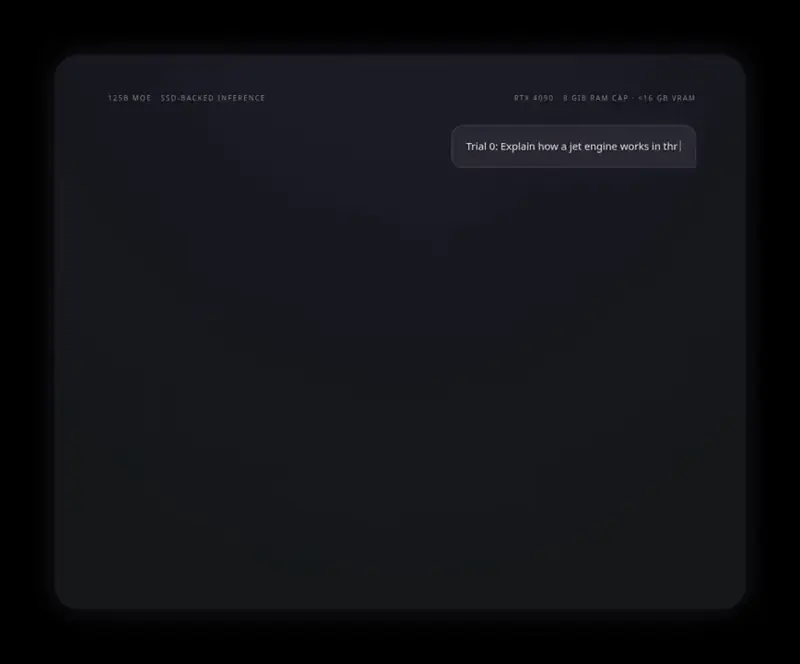
A runtime that streams uncached experts straight from NVMe into a bounded GPU cache and reads the n-gram table from disk, running Qwen3.8-Flash-Next at full context with 16 GB VRAM and only 8 GB system RAM.
- 62
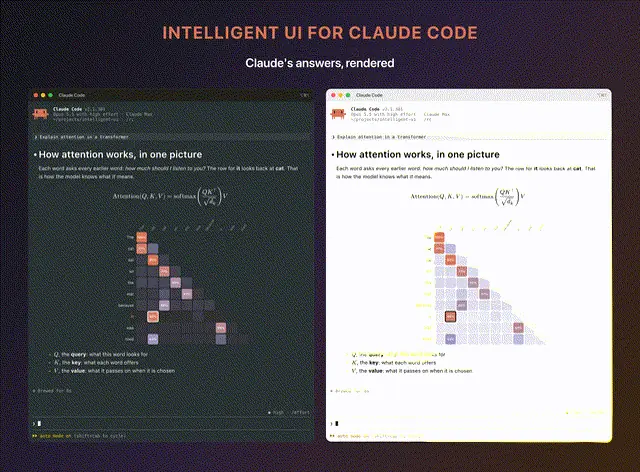
A Claude Code mod that renders each answer as a Typst-typeset image in the terminal, so tables line up, math looks like a paper, and Claude can draw charts and diagrams on the fly.
- 63
A single-row band showing how much of your 5-hour and weekly windows is left, when each one resets, and whether the prompt cache is warm or cold, so you know what the next message will cost.
- 64
The toolkit behind the Claudia Grok Bot: it takes a song and walks through storyboard, generated stills and clips, lip sync and a beat-locked lyric video, using the same pipeline as anabology's Claudia films.
- 65
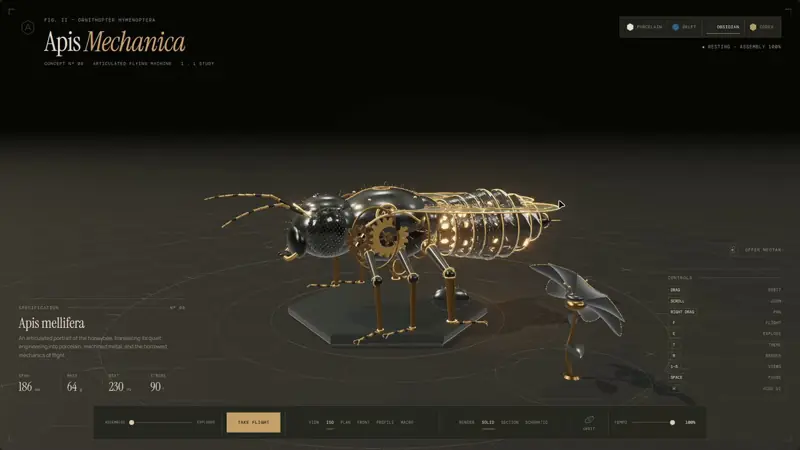
Ran their standing mechanical-bee test on Kimi K3.1 Pro and got a working 3D model with inspection views in 31 minutes. They note it falls a little short on some 3D tasks but is strong overall.
- 66
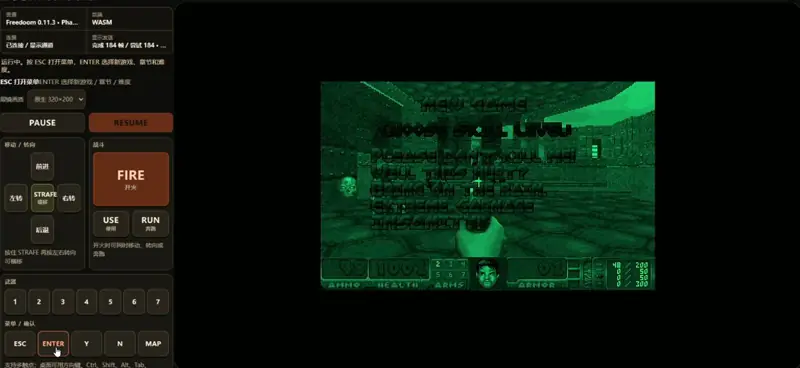
Spent a full week of Kimi K3.1 quota porting DOOM to the MemoMind One AR glasses, and shows it running smoothly on the lens. A real device port, not a browser toy, and the builder is asking what game to put on them next.
- 67
On launch day Chetaslua had Muse Wonder at xhigh reasoning write an animated short entirely in code, with the model also directing the ElevenLabs voices and Suno music. He posted it to show how fast and capable the model is at creative coding.
- 68
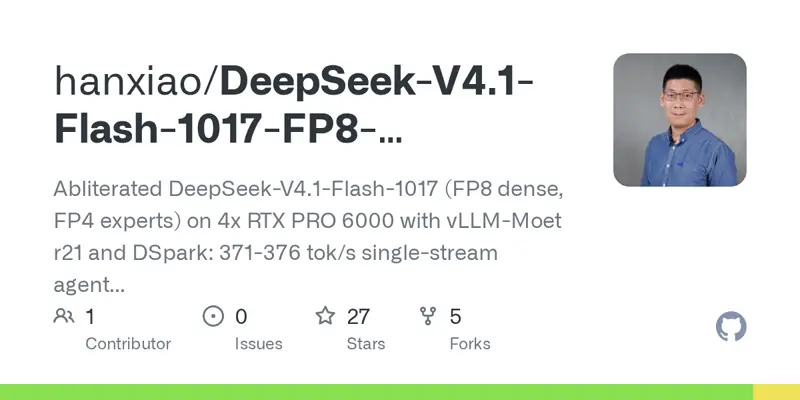
Scripts to stand up a Compute Engine VM with four RTX PRO 6000s that serves DeepSeek 1017 with vLLM and DSpark speculative decoding. It sustains 371 to 376 tokens a second for a single agent stream at 30k to 120k context, behind TLS and a bearer key.
- 69
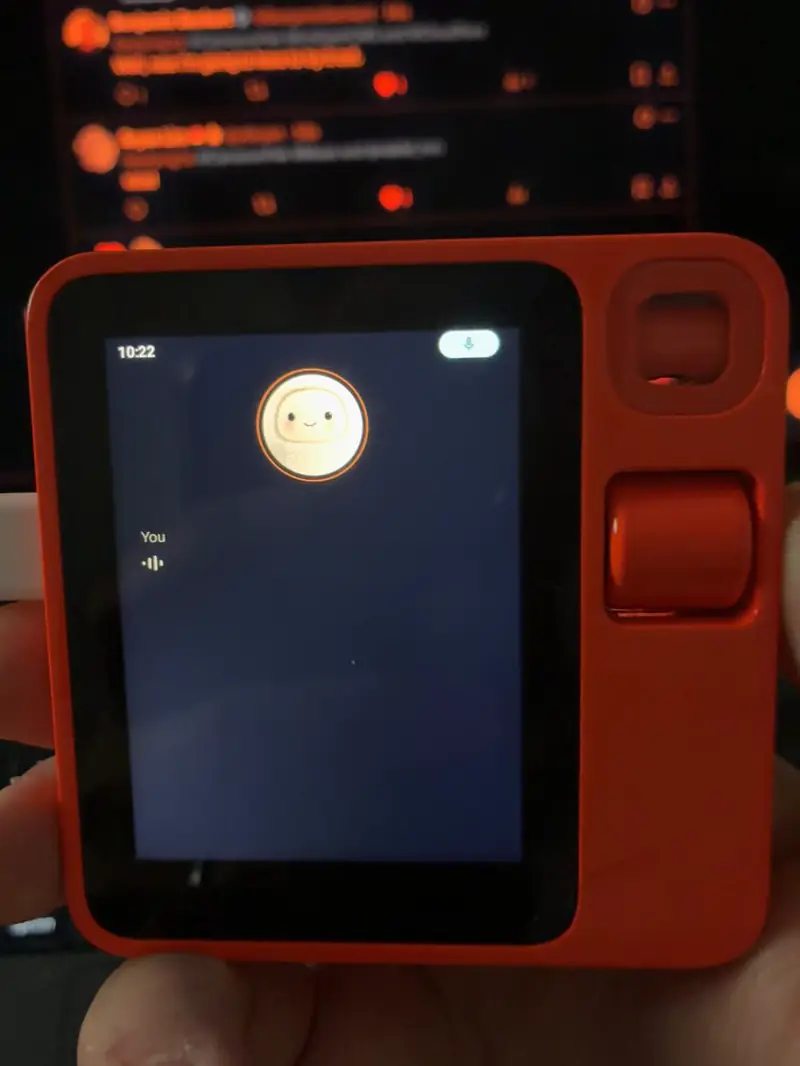
Cam Pak got Muse working on the rabbit R1 handheld and posted a video of it, giving the orange gadget a new agent brain, and shared it on HN as 'I got Meta's Muse on my rabbit R1'.
- 70
An open-source compress-then-correct engine that runs the original 510 GB 1017 model, not a distilled copy, on a five-year-old PC with 64 GB of RAM and one 12 GB GPU. It ships an OpenAI-compatible local server, a report and logs.
- 71
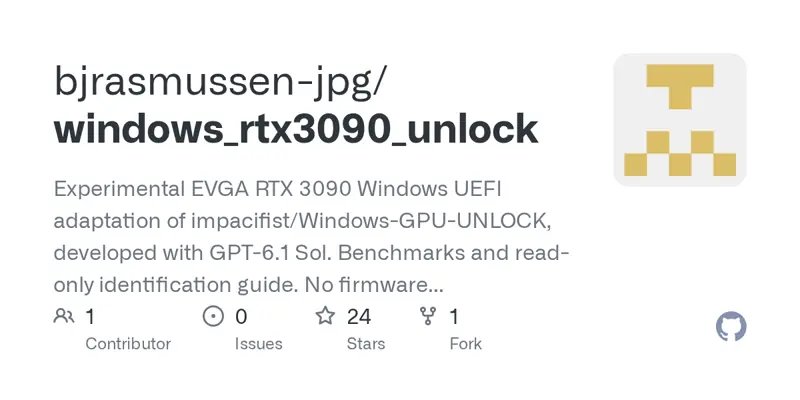
An experimental adaptation of an existing GPU-unlock project to one specific EVGA RTX 3090. GPT-6.1 Sol in Codex wrote the read-only probe, test tooling and docs while the owner ran the physical USB boots, and the repo includes benchmarks.
- 72
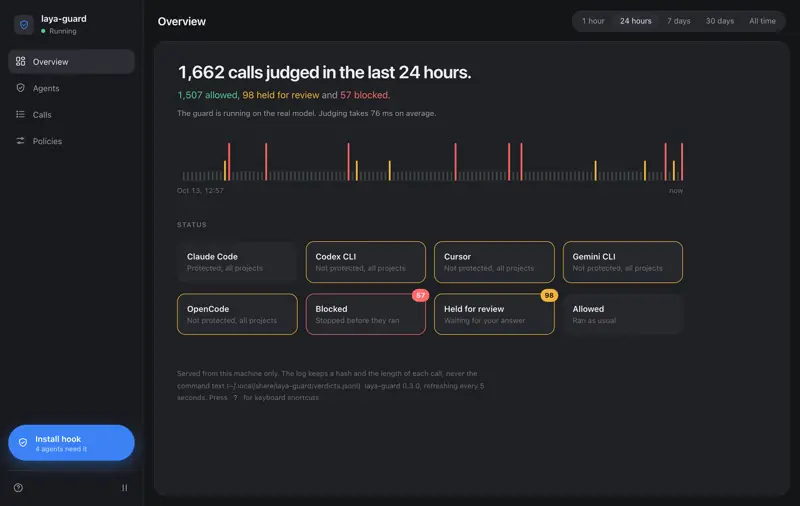
A free, local guardrail that judges every tool call before it runs: a regex prefilter plus Laya decides block, ask or allow in about 0.1 s, with a dashboard and no API key.
- 73
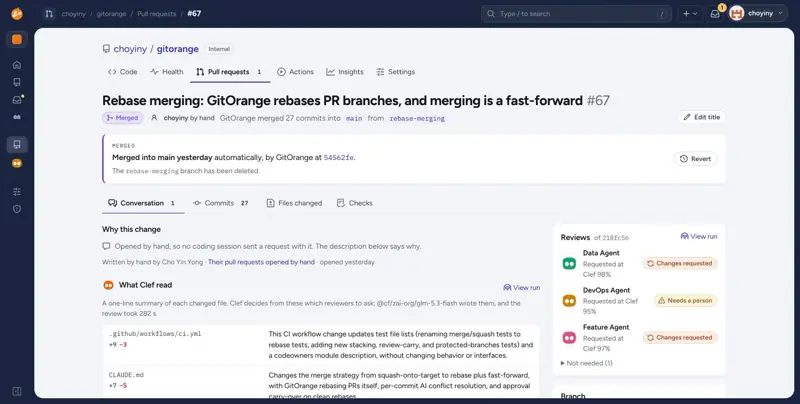
A self-hostable code host for teams running several coding agents at once: Clef answers the routing questions for each change, so only the relevant reviewer agents run and people only approve the risky calls.
- 74
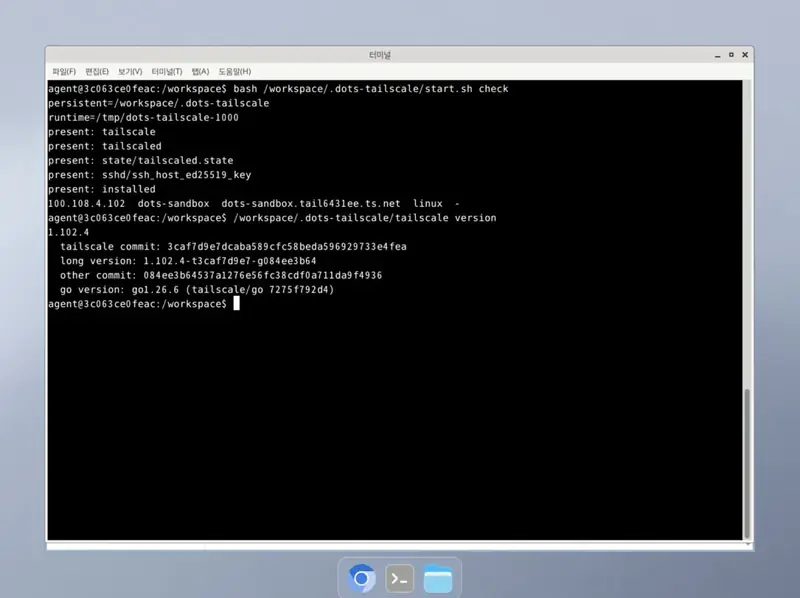
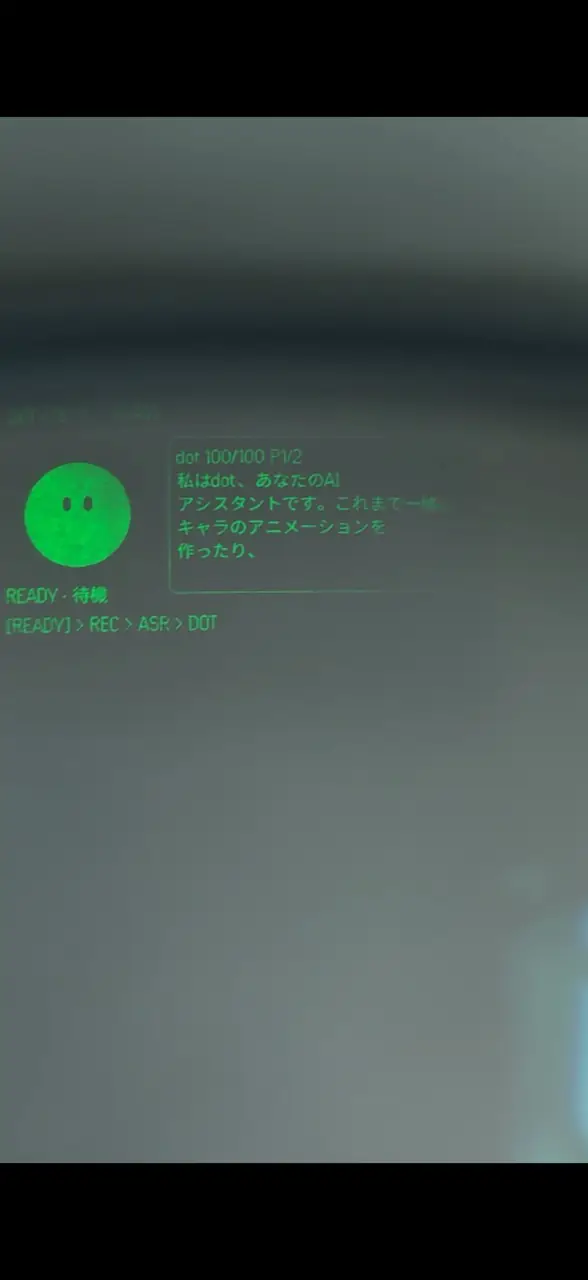
A no-root installer that runs Tailscale and OpenSSH inside a Dot's cloud computer and keeps their state in /workspace. You can reach your Dot's machine from your own devices and it can reach private services on your tailnet.
- 75
A local Mac bridge plus Chrome extension that exposes your Dot over WebSockets for text, notifications, speech recognition and voice calls. It ships with an Even G2 glasses app: long-press to speak and read Dot's replies in your lens.
- 76
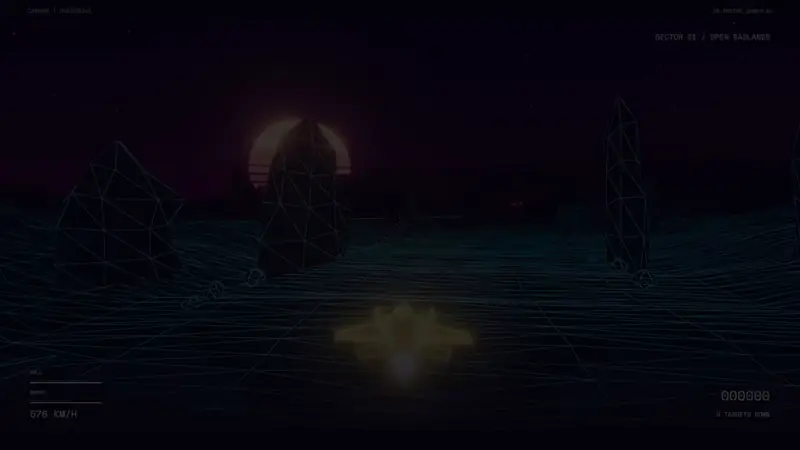
Marco built a three.js arcade flyer through neon canyons, with guns, missiles and barrel rolls, in one day on the side, using GPT-6.1 Sol with Astra plus ElevenLabs and Suno for audio. It's playable online.
- 77
Rasmus Andersson, designer of Inter, built a small ESP32 touchscreen that shows your Dot's messages, lets you answer its multiple-choice questions and sends voice notes. It runs Rust firmware and connects through a local bridge over Secure MCP Tunnel.
- 78
A dependency-light CLI linter where you write rules in plain language, like 'do comments repeat the code?', and a decision model such as Clef or Jev checks each file instead of a slow LLM.
- 79
A bridge that lets an existing Muse agent receive messages from Slack (Socket Mode) or Telegram, persist them and post replies, so a team can talk to Muse in the chat tools they already use.
- 80
Scripts that upgrade the stripped-down Muse Secure VM with a persistent Nix package manager, a full Tailscale client for inbound SSH and an optional OpenAI-compatible endpoint for the agent, turning it into a usable dev box.
- 81
A C API library built on laya.cpp that runs Laya inside any app with no server, hundreds of decisions per second on a laptop GPU, plus a Delphi/Free Pascal binding.
- 82
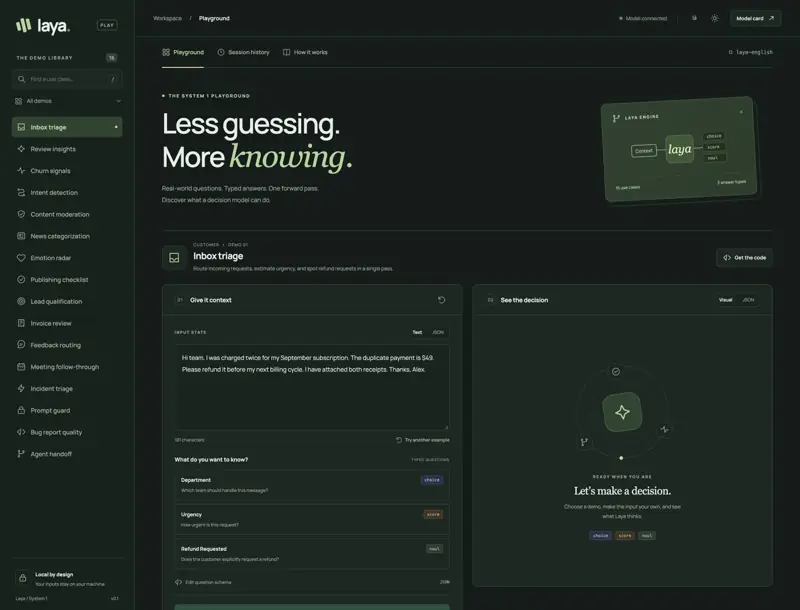
Runs Laya locally on Bun with native ONNX inference behind a TypeSafe-compatible API, plus a bilingual playground of 16 demos across support, content and engineering decisions.
- 83
Robert Soriano sideloaded a Muse gadget app onto the discontinued Meta Portal, adding a 'Hey Muse' wake word and an overlay bar, which gives old Portal hardware a second life as a Muse smart display.
- 84
H200 CUDA kernels for Muse Spark Open's dense projections that briefly held first place on the Open Kernel Challenge board, with a best judged 1.52x speedup over SGLang. The repo is careful to say this was a peak during the competition, not a final win.
- 85
An MLX implementation of FLUX 3 Image Klein with text-to-image, editing with up to 10 references and bounding-box layout, checked against the reference code. Install it with pip and generate from the command line on a Mac.
- 86
An extension that brings FLUX 3 Image Klein to Stable Diffusion WebUI Forge Neo, with text-to-image, editing from up to 10 references and box layouts. It is tuned to run on 8 GB cards.
- 87
A Fudan PhD student's setup that has their Dot watch school and work notices, build a calendar, send morning and evening summaries and flag urgent reschedules. It comes with redacted screenshots of the real reports.
- 88
An open-source outreach agent for agencies: Muse Wonder writes a different connection note and first message from each lead's own profile, checks none sound alike, and classifies and drafts replies. A safety governor and HeyReach handle sending, and nothing goes out until live mode is on.
- 89
An interactive Space and repo for editing, text-to-image and swapping between a collection of Klein LoRAs on the fly, built on the distilled model with diffusers ModularPipeline.
- 90
The creator of Prettier and Excalidraw entered the Open Kernel Challenge with five self-contained Python and CUDA kernels that can be captured in CUDA graphs. Each is scored against SGLang baselines on H200s, and the repo publishes the judge scores.
- 91
A tongue-in-cheek Open Kernel Challenge entry that splits matrix multiplication into thousands of tiny serial operations and still passes all 30 projection shapes and every stress case. It ends up 143.8x slower than PyTorch on an RTX 3060.
- 92
A single-page animated forest where an owl family flies, fishes, naps and practises in a band through day/night, weather and seasons. An opencode agent running the Mistral Large 4 preview built it end to end from one prompt, and it is live on GitHub Pages.
- 93
An endless forest flying game for iPad, made in Godot 4.7 inside Xogot with Claude Opus 5.5 and GPT-6.1 Sol. You glide over streamed hills collecting glowing flowers, and the repo includes the full game-dev skill and version history.
- 94
One person and a fleet of AI coding agents spent four days, 243 commits and 86 judge runs writing H200 kernels for Muse Spark Open with only an RTX 2060 at home. The archive records what worked, what didn't, and why they stopped.
- 95
A multimodal card table where Mistral Large 4 players look at rendered table frames, agree on a secret signal with their partner, then slip it into public chat while opponents try to spot it. A playful test of vision, deception and social deduction.
- 96
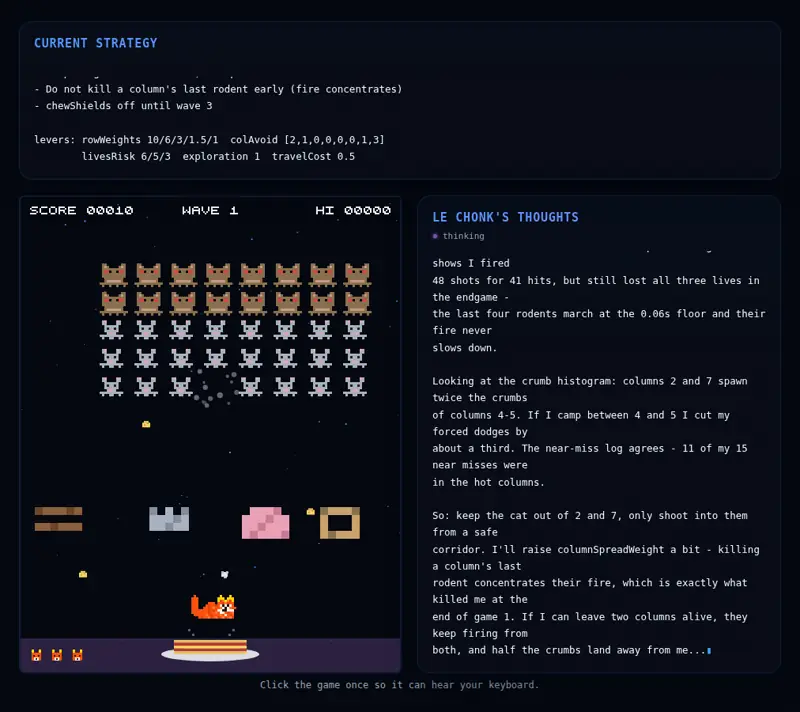
A Space Invaders spin-off where Le Chonk defends a slice of lasagna from rodents, playable in the browser, plus a harness so Mistral's model plays it. The author built most of it with Mistral Vibe and writes up what they learned about harnesses.
- 97
A harness that runs a full local Freeciv stack and lets mistral-large-4 govern a civilisation through a typed, fog-of-war-limited interface. Every decision lands in a provenance ledger with frozen honesty metrics, so you can see whether the model follows through on its plans.
- 98
A reproducible Windows setup that runs Klein on an 8 GB Pascal card with stable-diffusion.cpp and Q4 weights, with a setup GUI, a generator and 39 control images with prompts and timings. It shows the model is usable on old hardware.
- 99
A deterministic Crossy Road clone in a Tauri desktop app where Clef-flash picks every hop from a text description of the scene, with arrows showing how much it wanted each move and a headless benchmark CLI.
- 100
Extracts Clef's fine-tune back into a LoRA adapter plus a vLLM plugin, so a server already serving Qwen3.8-27B for chat also answers Clef decision requests with about 2 GB extra GPU memory.