Week 45: final ranks
Nov 2 to Nov 8, 202652 launchesfinal ranks
A crawler for AI agents that lets Jev choose each link and passage, so the agent's LLM reads only what answers its question, at a few cents per crawl and 40% vs 30% for Claude on WebWalkerQA.
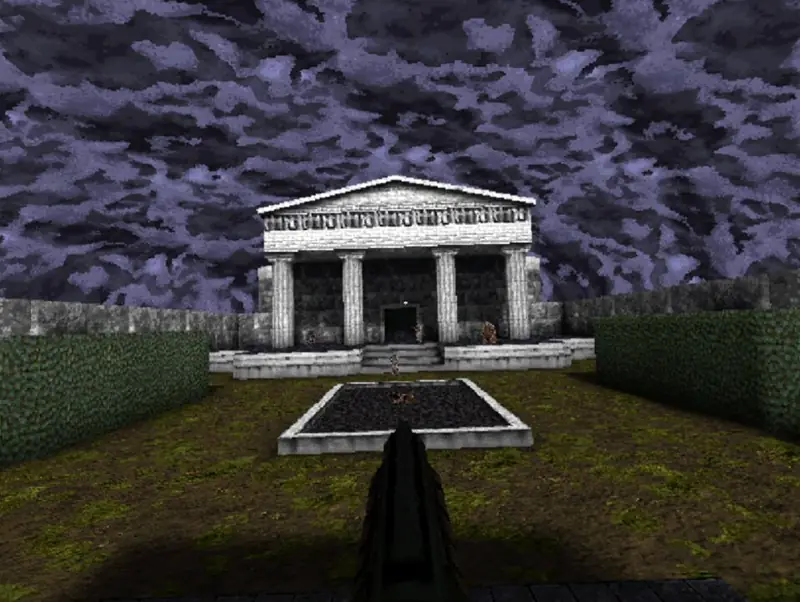
Rob put local decision models, including Convai's Laya, in charge of fighting monsters in a browser version of Quake, his favourite game of all time.
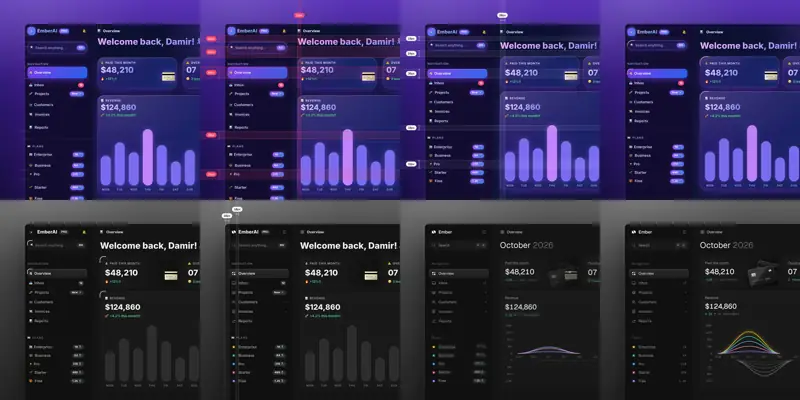
Audits a screen for AI slop (purple gradients, glows, emoji labels, uneven spacing), picks a direction from the product and fixes it pass by pass like a designer's redline review. It can also render a short video of the screen unslopping itself.
- Your product hereOpen slot · from $15 a weekPut your product in front of people building with the newest AIOne row on this list, between the builds readers come for, labelled Sponsored.Book this spot
- 4
Starting from a sketch of made-up headphones, Terra in Codex builds an editable Blender scene, animates close-up, turntable and hero shots, and delivers a 1080p ad, including the fixes when the first try missed the branding.
- 5
A tongue-in-cheek browser shooter called Karen Warfare, built with Opus 5.5 and Three.js in a single day by a solo developer as a fun, playable web game.
- 6
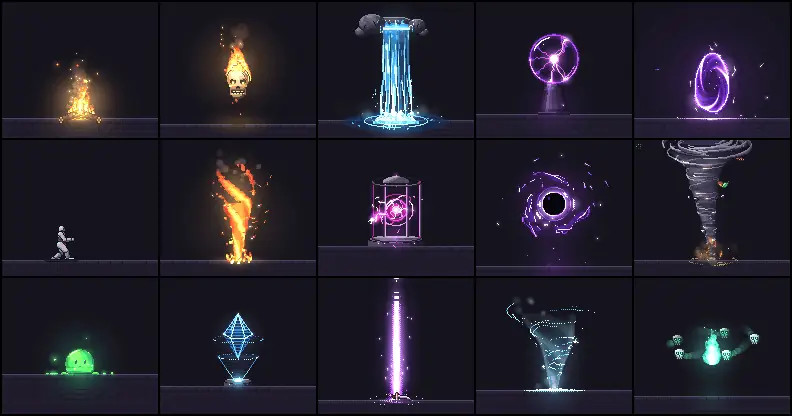
A library of 244 code-drawn pixel art effects (fire, explosions, magic, weather, UI) you can play, recolor and export as sprite sheets, with a Claude Code skill that drafts, renders, looks and refines new effects.
SpotlightFeature your build hereEvery new build takes this spot for a few hours, free, with your name on it. Submit a build - 7
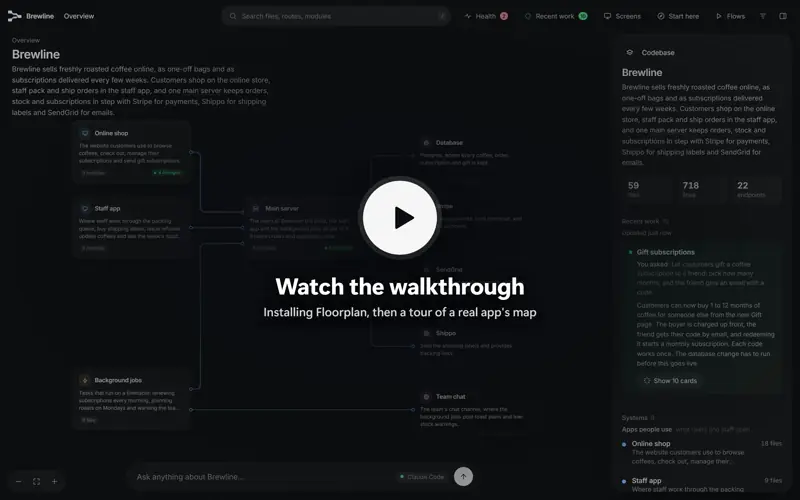
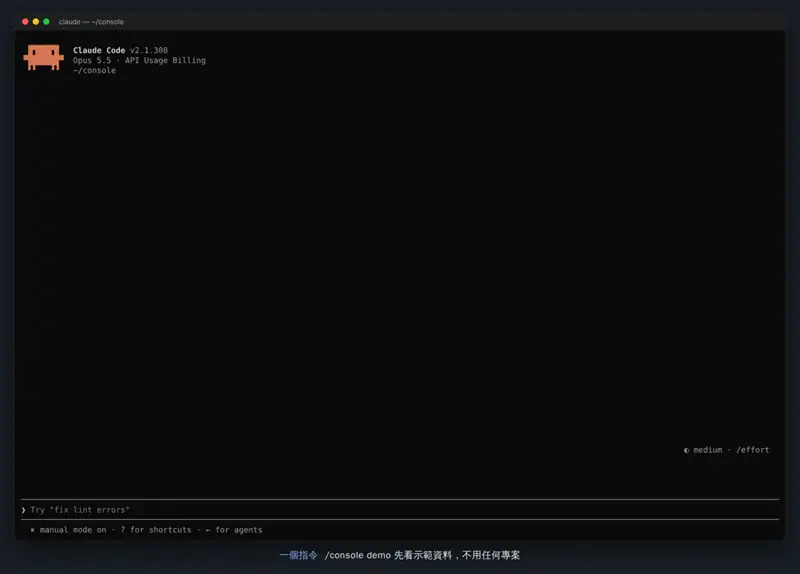
Claude Code (or Codex) reads your repo and draws an explorable map where every part, file and web request gets a plain-English name. Aimed at vibecoders who want to see what an AI change touched and what breaks if they edit something.
- 8#8 Claude Duet
AnyModelBot: local-first open-source alternative to Claude Duet, Grok Bot and OpenAI Dots
A desktop and Docker app for running your own always-on AI bots on 70+ models, with memory kept as Markdown on your disk, background tasks, and reach through WeChat or Feishu. It went past 1,300 stars within a week of release.
- 9
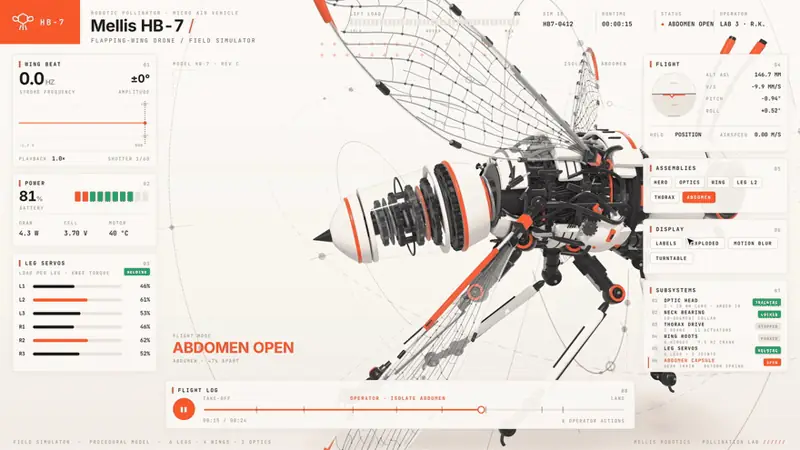
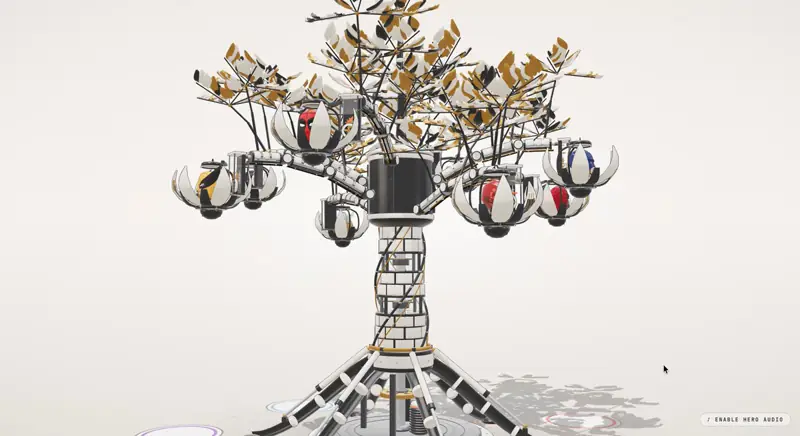
Ask how a machine works and Claude builds a single offline three.js page where it runs, live panels read real numbers, and you can open up the part doing the work. Examples include a V8, a Cessna and a robotic bee.
- 10#10 Claude Opus 5.5
reanimate: a Claude Code skill that reverse-engineers any web animation frame by frame
Records a reference animation from a live site, video, GIF or Lottie, rebuilds it in your code, then films the copy the same way and compares until the numbers match. Shows stripe.com cards recreated side by side with the original.
- 11
A collection of three DeepSeek Harness plugins: an English motion UI that renders HTML/SVG canvases to local MP4, per-session API cost and model breakdowns, and interactive priority sliders for decisions.
- 12
Embeds the dsh engine inside an Android app so the agent can read the screen, tap through other apps, change system settings and run timed or conditional automations, all on the phone without root.
- 13
Skoorbkaz had Opus 5.5 make an 11-minute film about an AI worst case, with every frame drawn in code and the score written in code, narrated by their own local voice models.
- 14
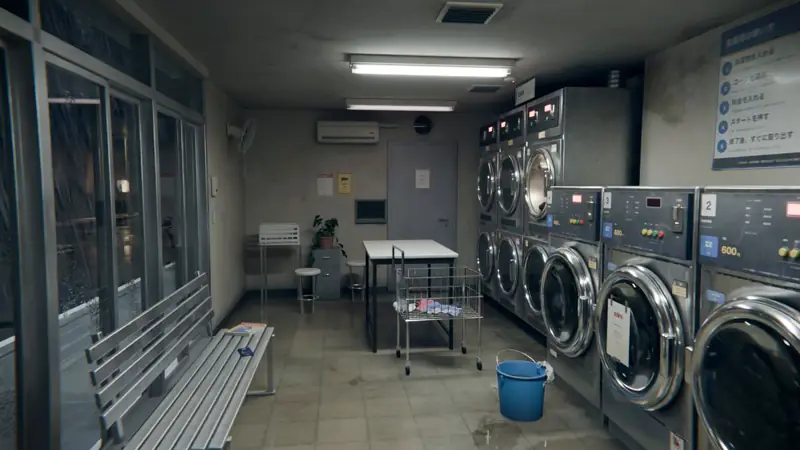
Hayashimon built an atmospheric coin laundromat 3D scene in Blender without touching the Blender UI, driving every step through Opus 5.5 prompts, and shared the workflow in replies.
- 15#15 Claude Duet
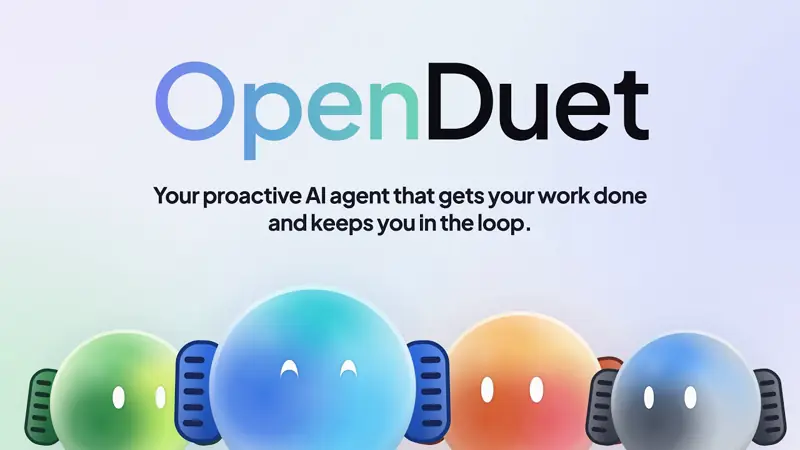
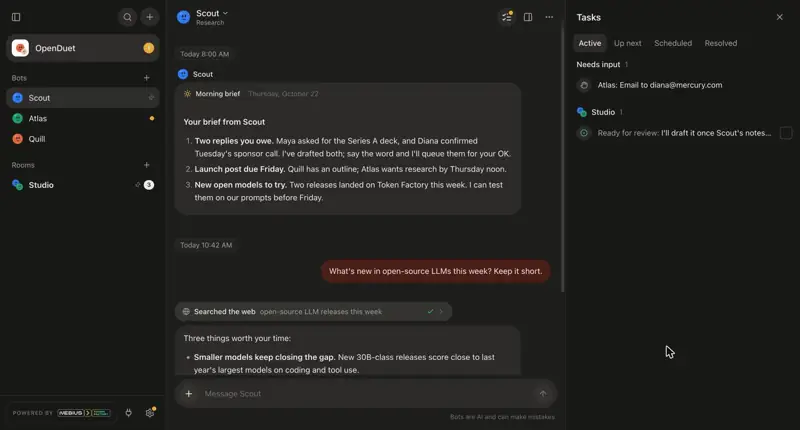
OpenDuet: CopilotKit's open-source Claude Duet alternative with briefs, approvals and its own browser
CopilotKit demos OpenDuet, a self-hostable, MIT-licensed take on Claude Duet: daily briefs, background checks across your apps, a cloud browser that keeps working, and approval before sensitive actions. Any model or AG-UI agent plugs in, and the GitHub repo passed 1,700 stars in its first ten days.
- 16
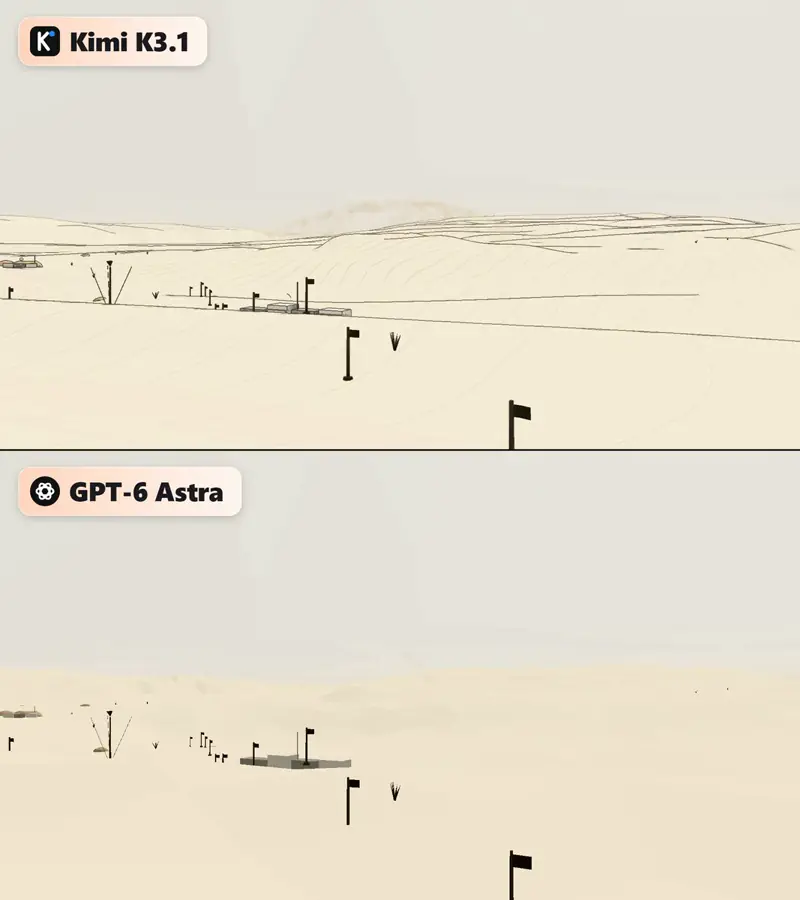
Elvar gave Kimi K3.1 Pro and GPT-6 Astra one prompt for a 3D sandworm; Kimi plated every ring and added a gold band at the mouth. The most-liked K3.1 3D comparison of the week after launch.
- 17
A whale-tail button beside the dsh input box that turns a half-formed draft into a full task prompt with goal, format and limits, rewriting in place without sending so Ctrl+Z undoes it.
- 18#18 DeepSeek Harness
Guizang design plugin turns one article into slides, social cards and a web page in DeepSeek Harness
Adds a design studio page to dsh with skills for web slide decks, Xiaohongshu-style image cards, typeset single pages and a de-AI-ify pass, all sharing one design system and a learned writing voice.
- 19#19 Gemini 4 Carbon
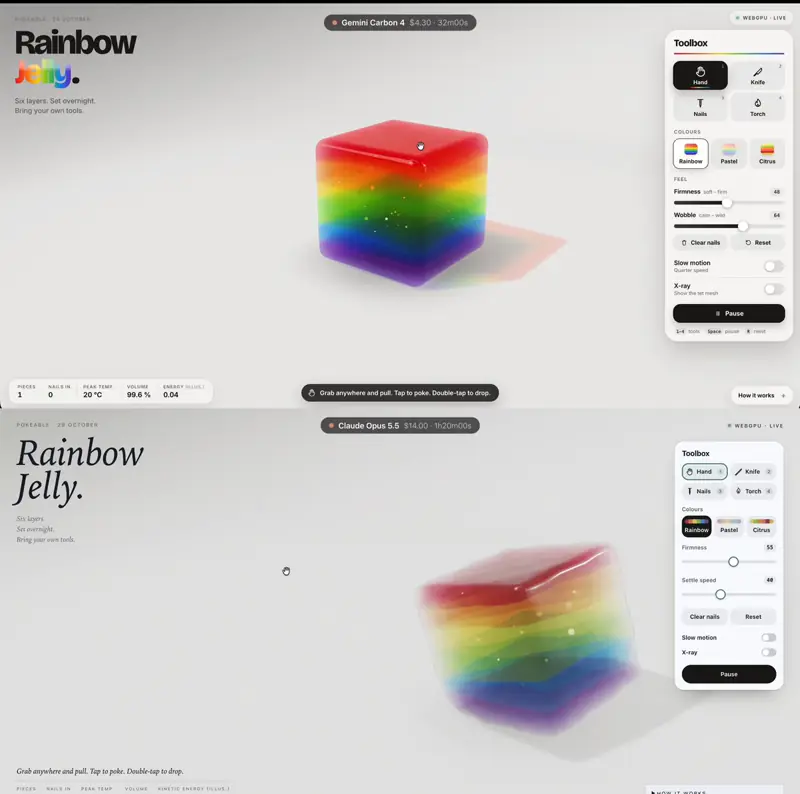
Gemini 4 Carbon vs Opus 5.5: a rainbow jelly you can cut, nail and torch in Three.js
An interactive Three.js jelly you can slice, nail and burn, built from one prompt by both Gemini 4 Carbon and Opus 5.5. Carbon's version throws rainbow shadows and cost $4.30 in 32 minutes against Opus's $14 and 80 minutes.
- 20
A Three.js scene from Gemini 4 Carbon that shows the model no longer cutting corners: it spends up to ten minutes reasoning before writing a full, detailed 3D build.
- 21
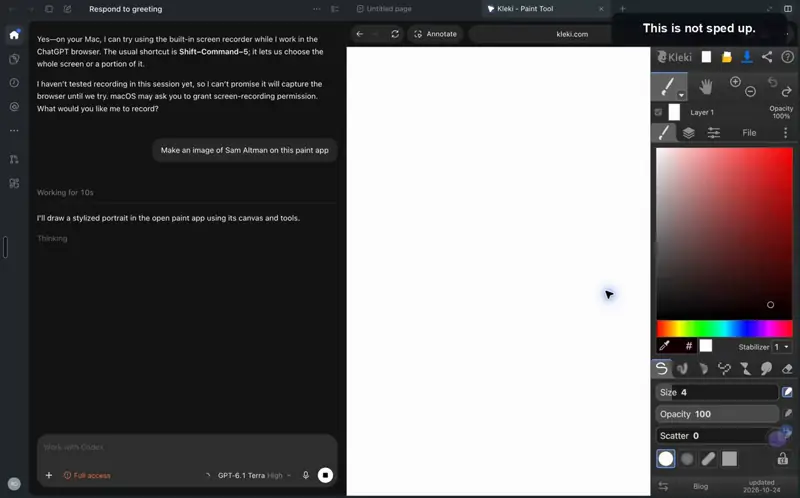
Terra drives Microsoft Paint stroke by stroke to draw a portrait of Sam Altman, filmed at real speed to show how fast its computer use is. The post kicked off a wave of people trying the same Paint test.
- 22#22 Gemini 4 Carbon
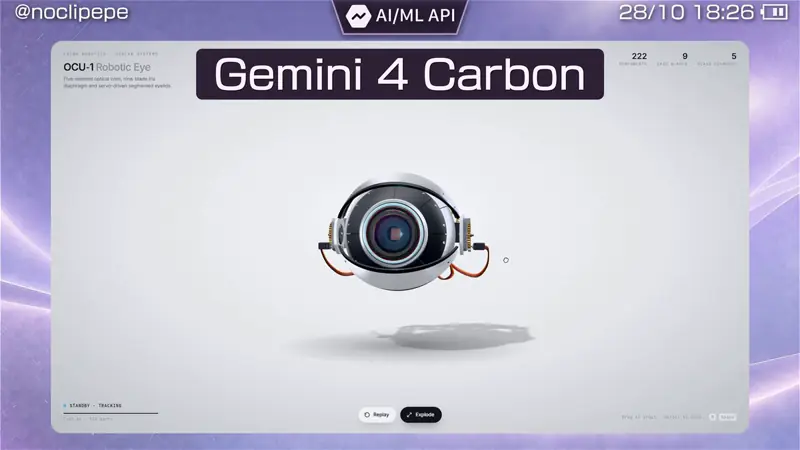
Gemini 4 Carbon builds a 3D robotic eye that blinks, focuses and explodes into parts
From a single sentence, Gemini 4 Carbon produced an animated 3D robotic eye that blinks, refocuses and then bursts into an exploded view of its parts, in about 30 minutes. It became one of the most shared launch-day examples of Carbon's 3D strength.
- 23
An unofficial plugin that adds a floating ball to the edge of the screen: quick requests run right away through Computer Use in the current app, while long jobs go to a background coding session and report back to the ball.
- 24#24 GPT-6.1 Terra
GPT-6.1 Terra models and animates a roadster in Blender, then turns it into a photoreal video
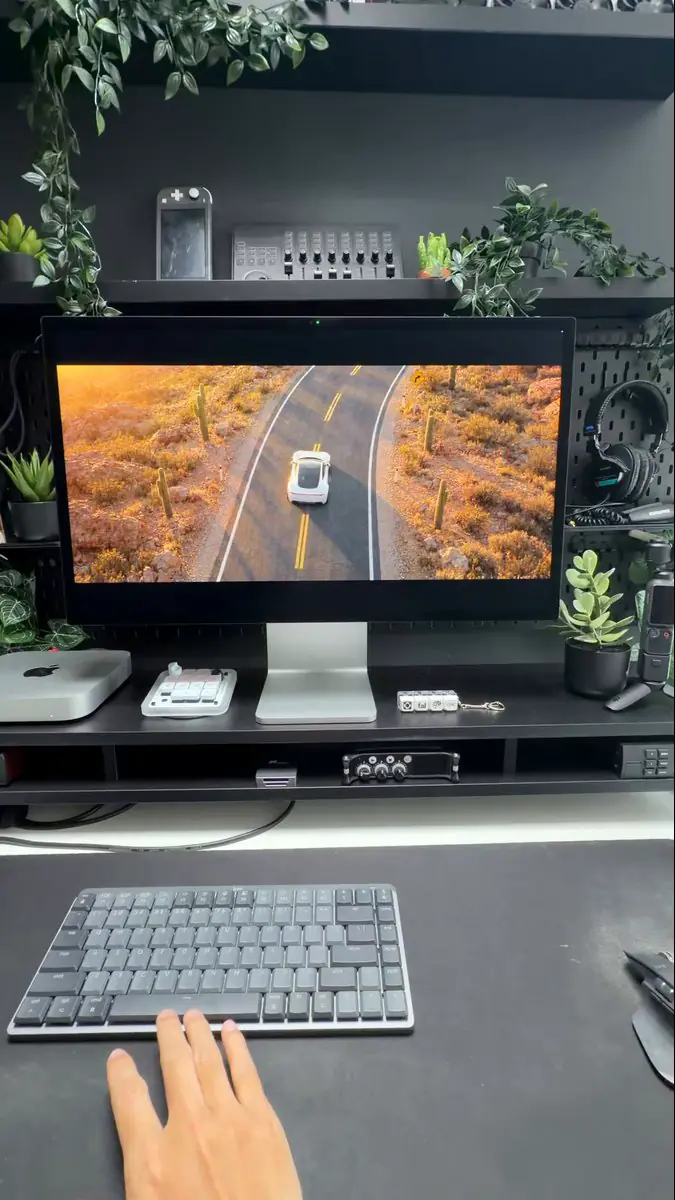
Using Codex with the fal plugin, Terra generated a reference image, modeled the car in Blender and animated the camera, before image and video models turned the render photoreal. It shows Terra running a full 3D pipeline on 3% of a Pro plan.
- 25
A memory plugin that stores timestamped memories with a freshness score that decays over a 30-day half-life, picks what is worth keeping each turn and pins long-term facts, so long DeepSeek Harness chats keep context after compaction.
- 26
A playable Minecraft-style voxel game Gemini 4 Carbon built in one shot in roughly half an hour. The tester ranks it above Opus 5.5 and every GPT model for this, behind only Fable 5.5.
- 27
A creative mode for DSH with multi-track editing, 150 shot templates, a design system and a live preview canvas that exports real video, slides, sites and SVG files. Recording, voiceover, subtitles and rendering run locally.
- 28
A ComfyUI pose and camera editor for Qwen Image 2.1: drag a 3D mannequin or pick from 209 skeletons, set a free camera angle, and the model renders your reference person in that pose. It supports two-person scenes from one group photo.
- 29#29 Kimi K3.1 Pro
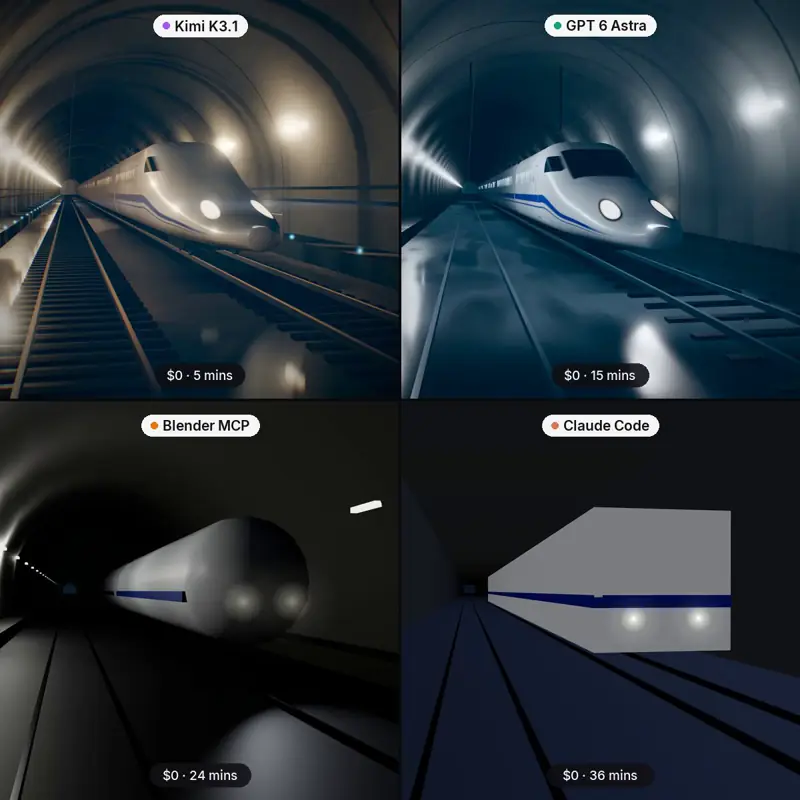
Kimi K3.1 vs GPT-6 Astra vs Claude Code: a bullet-train scene for $19, $54 and $131
The same prompt for a cinematic Japanese bullet-train scene, run through four AI workflows: Kimi K3.1 finished in 5 minutes for $19, while Claude Code spent $131 on a train that looks like a fridge. A clear cost-versus-quality look at K3.1 for 3D scenes.
- 30
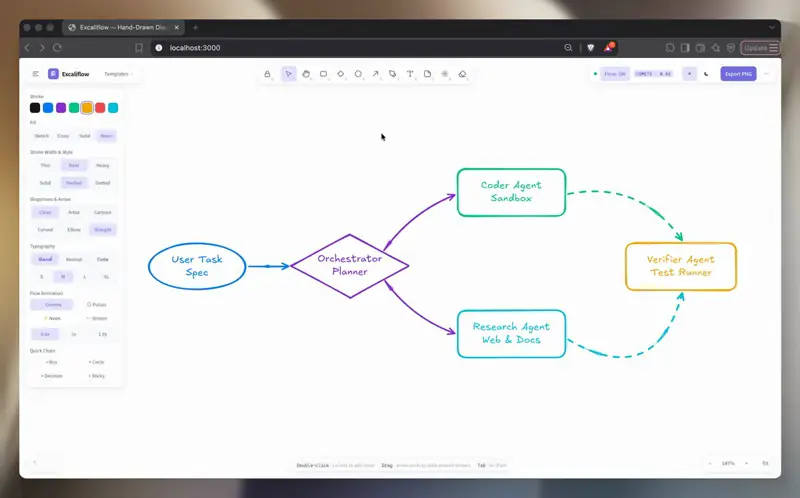
Shubham Saboo wanted an Excalidraw-style whiteboard where the drawings animate, so Gemini 4 Argon built one; the demo shows it fully working, and Saboo plans to open-source it.
- 31
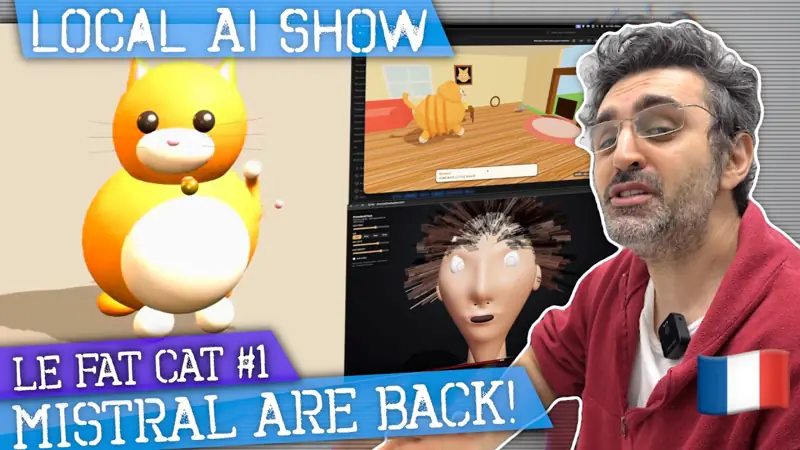
Two days after the open weights, xCreate runs a Q3 MLX quant of the 1T Le Chonk on an M3 Ultra 512GB through Inferencer, then has it build a 3D solar system, a cat game, websites and infographics, comparing local against cloud output.
- 32
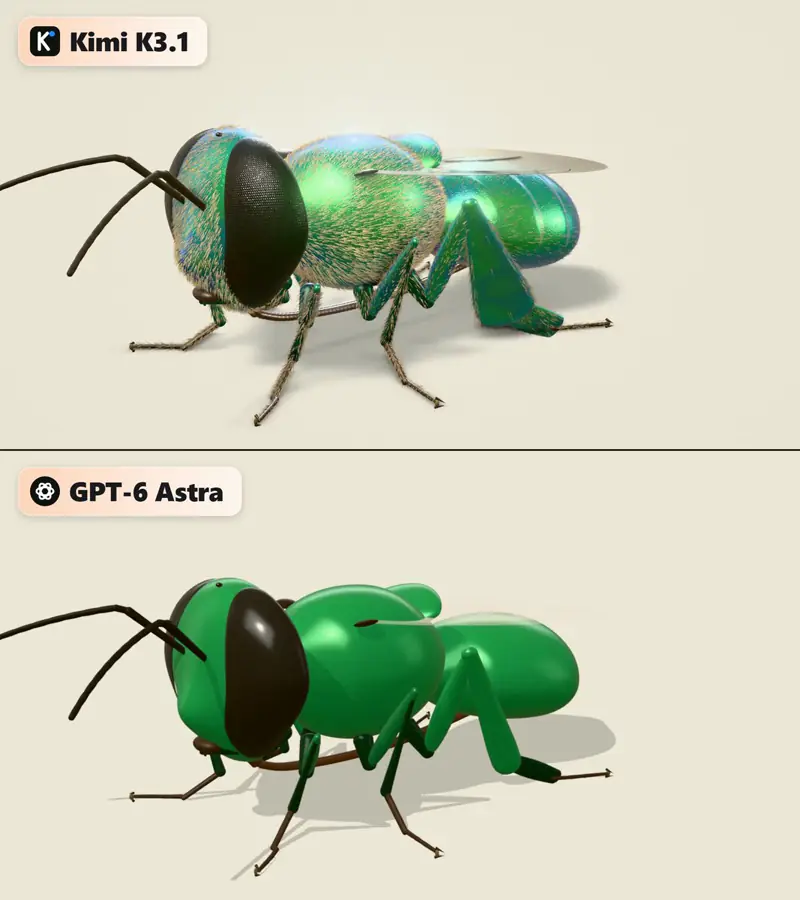
A same-prompt 3D bee from Kimi K3.1 Pro and GPT-6 Astra; Kimi's version has faceted eyes and leg hair where Astra's is smooth plastic. A clear look at how much fine detail K3.1 puts into a procedural model.
- 33
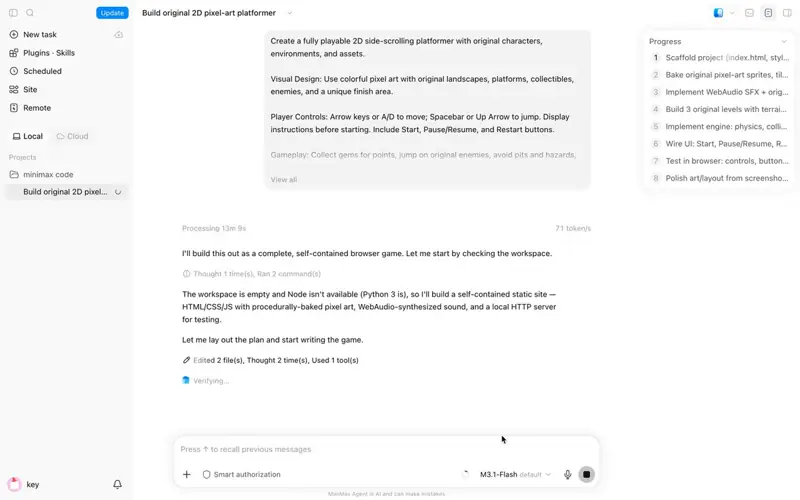
From one line of an idea, MiniMax Code on M3.1 Flash wrote a pixel-style adventure game, then played it, found bugs and fixed them in the same loop. It shows the model doing the whole build-test cycle, not just handing back code.
- 34
Karthick asked Gemini 4 Argon for Ancient Egypt in Three.js and got a lit, realistic world of pyramids and temples that you can fly through in the browser.
- 35
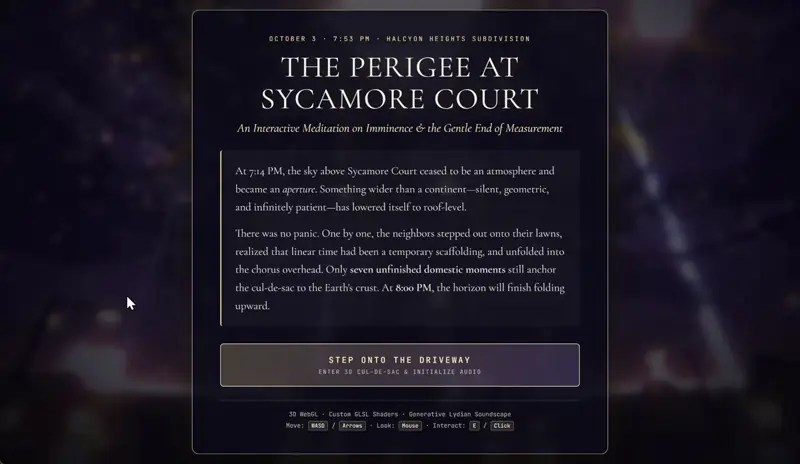
Wharton professor Ethan Mollick gave Argon a one-paragraph mood brief and got a playable game about a huge, unknowable presence arriving over a quiet suburb. Mollick uses it to show how differently Argon reads a creative prompt.
- 36
Sac, who made the Little Prince 3D game, coded a full 3D motion piece with M3.1 Flash and no 3D tools. They say the visual quality matches Opus 5.5 at about one-thirtieth of the price.
- 37
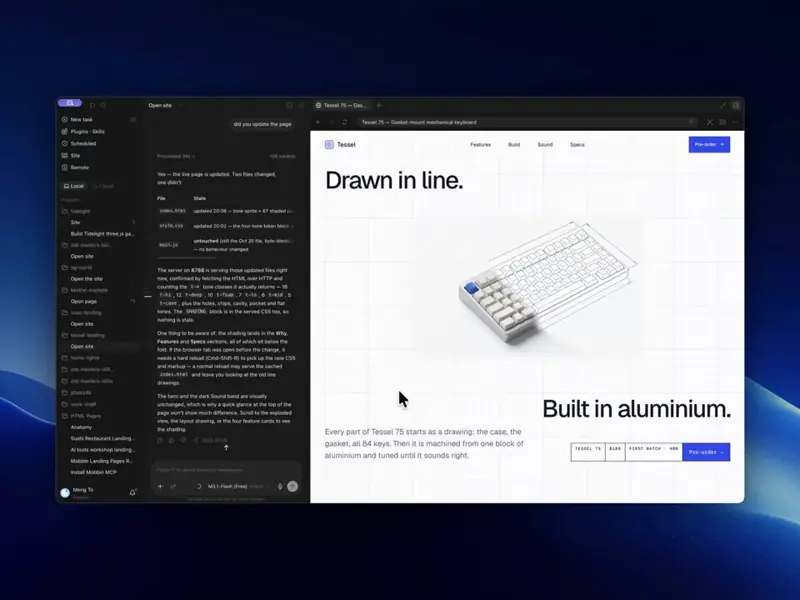
Meng To built three keyboard sites, a SaaS page, a rainy 3D Singapore at night and a small 3D lighthouse game with M3.1 Flash. The aim was to see how far a cheap model gets on design-heavy pages.
- 38
Siddharth gave M3.1 Flash a prompt and a few reference images, and it built Saltwind Island, an explorable 3D island world with interactive elements. The game is live on Vercel for anyone to play.
- 39
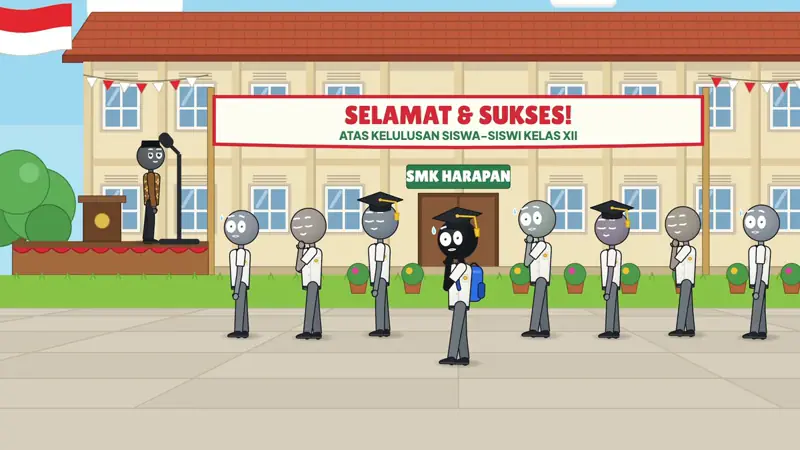
An Indonesian creator runs Kimi K3.1 Pro through a Hermes agent harness to code a voiced 2D animated film in Remotion, with ElevenLabs for the voices. He shares the per-video model cost and is planning a series of episodes.
- 40
Asked for a working 3D interior design studio with no starter code, M3.1 Flash produced an interactive room editor you can furnish and walk around. A good look at how far one prompt gets on a cheap fast model.
- 41
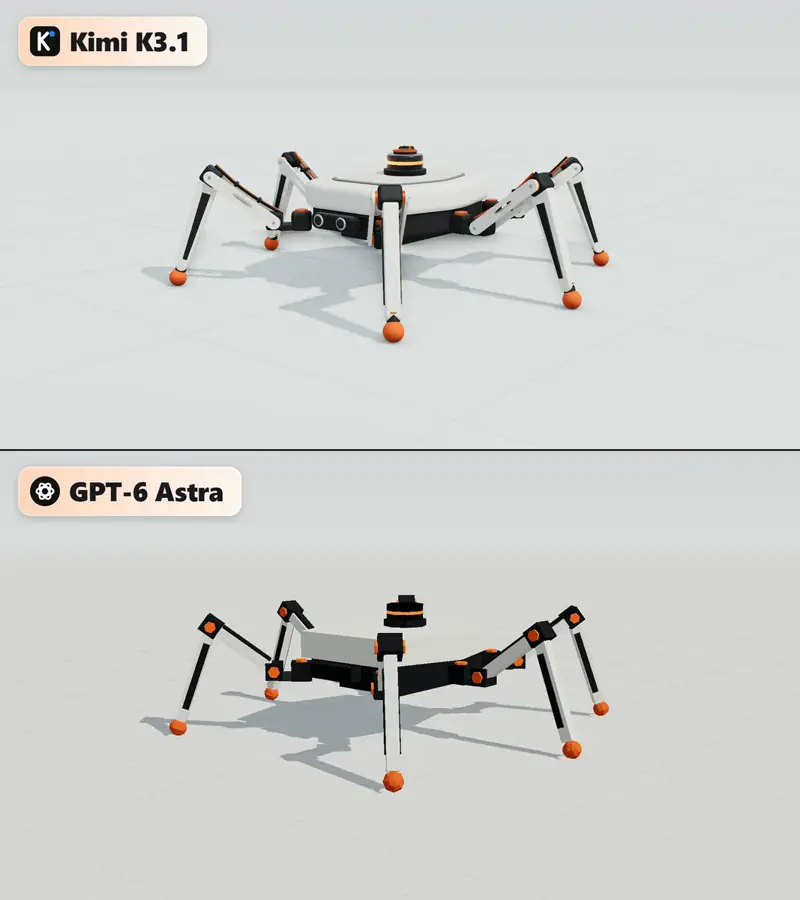
One prompt, two models: Kimi K3.1 Pro shapes a six-legged robot with a rounded shell and inset lid while GPT-6 Astra stacks boxes. Useful for anyone weighing K3.1 for hard-surface 3D design.
- 42
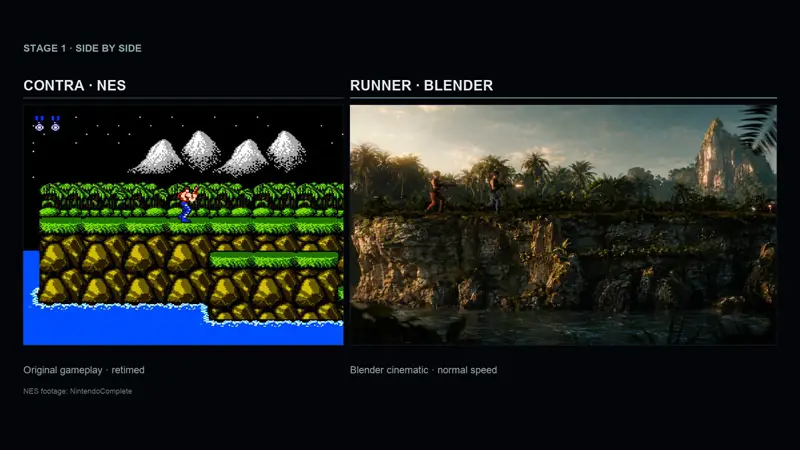
Anish Acharya remade the classic run-and-gun Contra with photorealistic visuals in a weekend using GPT-6 Astra, and shared a playable link, arguing Astra is to games what Opus 4.5 was to code.
- 43
One pane that tracks every project: its status, a six-stage pipeline, decisions you can answer with a click, one-key dispatch to Claude or Codex, git/PR/CI state and quota batteries. Guardrails catch irreversible commands.
- 44
Scripts that let Grok Bot delegate heavy work to the Pi coding agent on its own Linux cloud computer, then get woken by a webhook to verify and report when the task finishes.
- 45
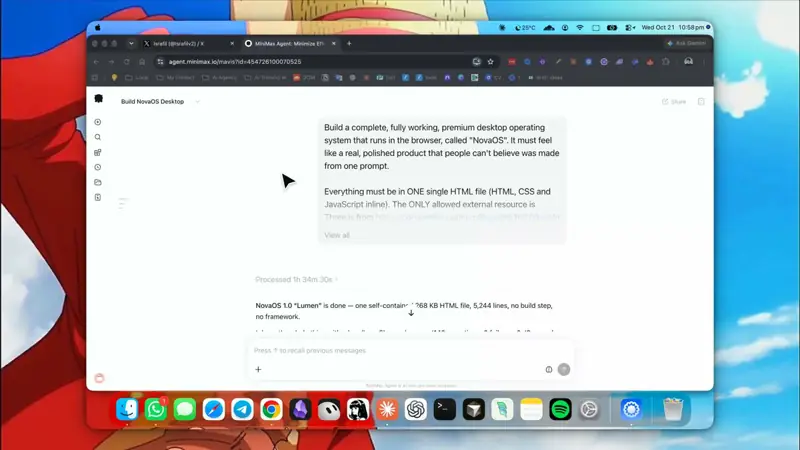
Isra prompted M3.1 Flash once and got a desktop operating system in a single HTML file. It has a boot screen, lock screen, dock, spotlight search and a window manager with drag and resize.
- 46
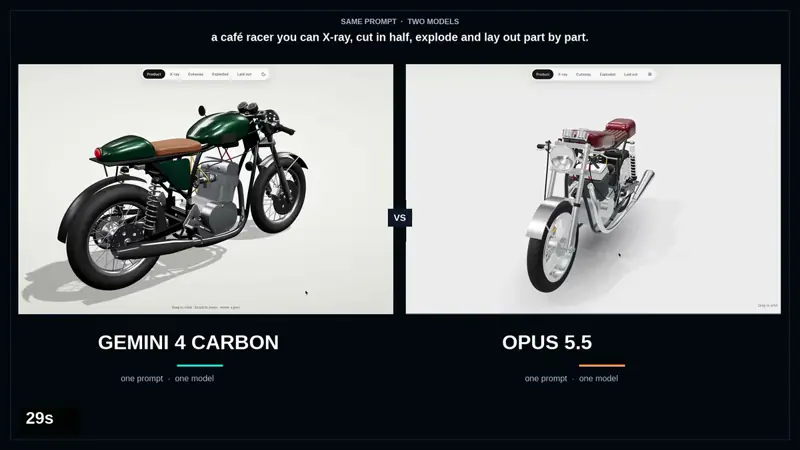
A one-shot 3D café racer motorcycle you can X-ray, slice in half, explode and lay out piece by piece, shown side by side with Opus 5.5 on the same prompt. It is a direct look at where Carbon pulls ahead of Opus 5.5 for 3D work.
- 47
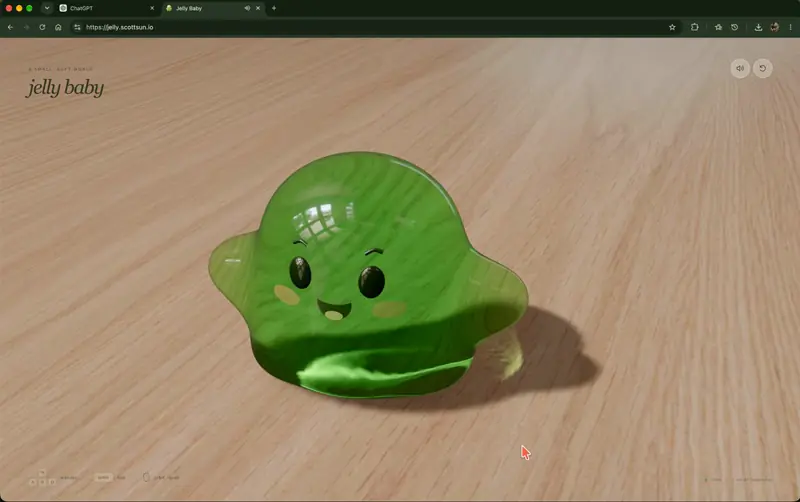
After people loved his bouncy jelly experiment, Scott turned it into a soft-body Jelly Baby game with GPT-6 Astra in three.js, hosted it live and published the source on GitHub.
- 48
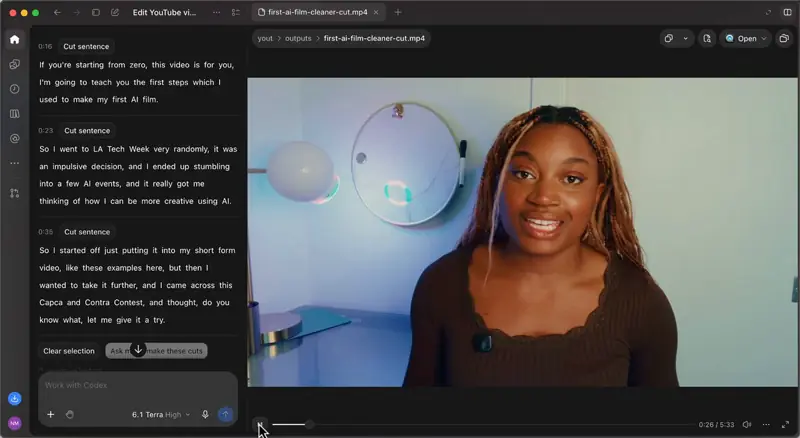
After Terra produced a decent rough cut, she built a skill to refine the edit from the transcript inside the chat: drop filler words, cut whole sentences, keep the takes that sound natural. She shared it publicly.
- 49
A Next.js and Mastra app where named bots brief you each morning, check your apps and wait for your OK before sending, posting or paying, running on open models through Nebius Token Factory. A mock mode lets you try the whole interface with no keys.
- 50
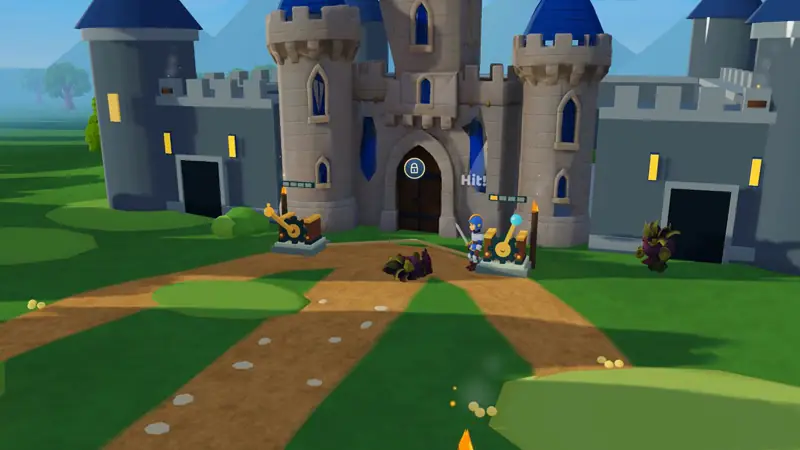
A persistent multiplayer browser game where players team up to storm a castle that regrows. Terra wrote it in Codex CLI with Rust and Wasm, Colyseus, Blender and Tripo assets, and the source, prompts and lessons are open on GitHub.
- 51
A 3D kung fu adventure starring Le Chonk the cat, with a Let Chonk play button that hands control to Mistral Large 4, which reads a ~300-token text state each turn and acts while the world pauses.
- 52
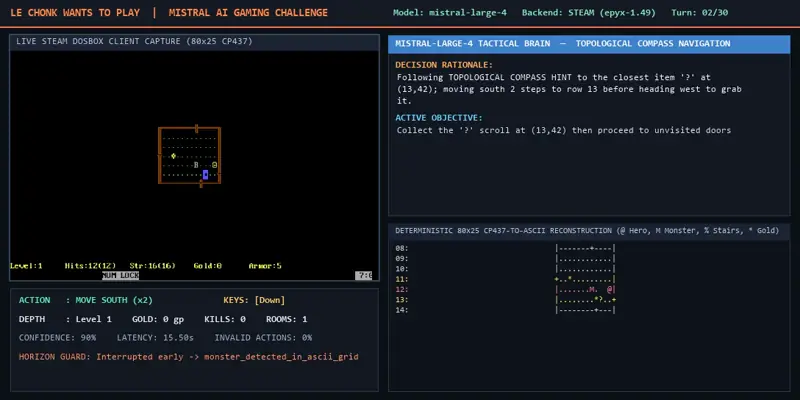
A harness that lets mistral-large-4 play Rogue on two backends, the Steam Epyx release in DOSBox and native terminal Rogue, exploring rooms, fighting and searching for secret doors with schema-checked actions.