Week 46: final ranks
Nov 9 to Nov 15, 202651 launchesfinal ranks
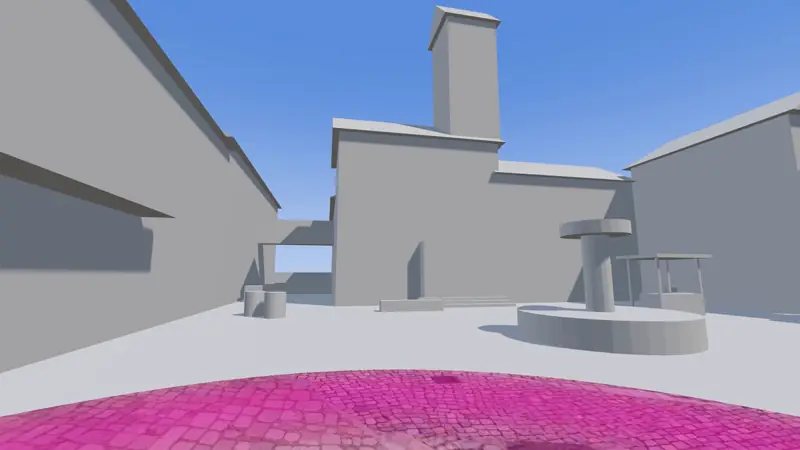
Rehan Sheikh had Opus 5.5 block out a whole village in Blender, then projected FLUX 3 Klein and Fibo 2 textures from 128 camera views onto it, and open-sourced the pipeline as Trompe.
A motion-graphics timeline that walks from 1891 to 1973 through the history of a set of government buildings, with archive photos sliding onto a paper-textured backdrop. He says he fed a PDF straight into Claude Pro to make it.
Leon Lin had Opus 5.5 write a real 3D combustion simulation with 6.1 million cells, blackbody flame colors, sparks and embers, using no image or sound assets at all.
- Your product hereOpen slot · from $15 a weekPut your product in front of people building with the newest AIOne row on this list, between the builds readers come for, labelled Sponsored.Book this spot
- 4
An unofficial Android client that runs DeepSeek Harness on the phone or remote-controls DSH on your computer, with two animated companions that type, flip and raise a hand when they need your approval.
- 5
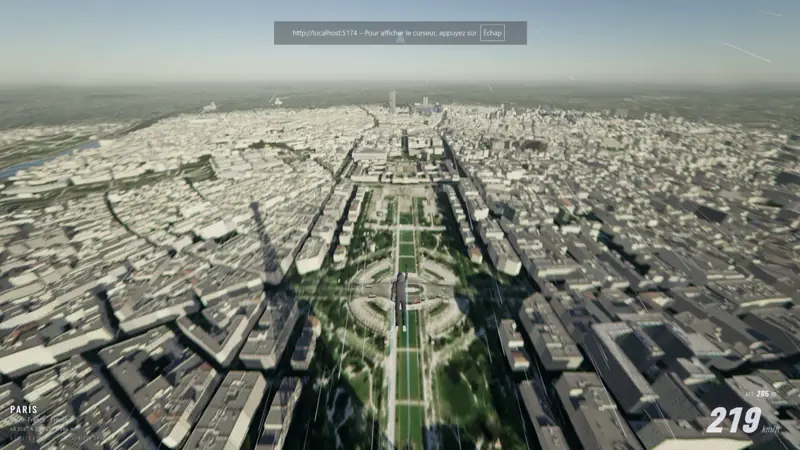
Riad pushed Opus 5.5 to build an Earth simulator where you take off and fly across the whole planet at Mach 20, chasing the feeling of standing on a mountaintop and just lifting off.
- 6
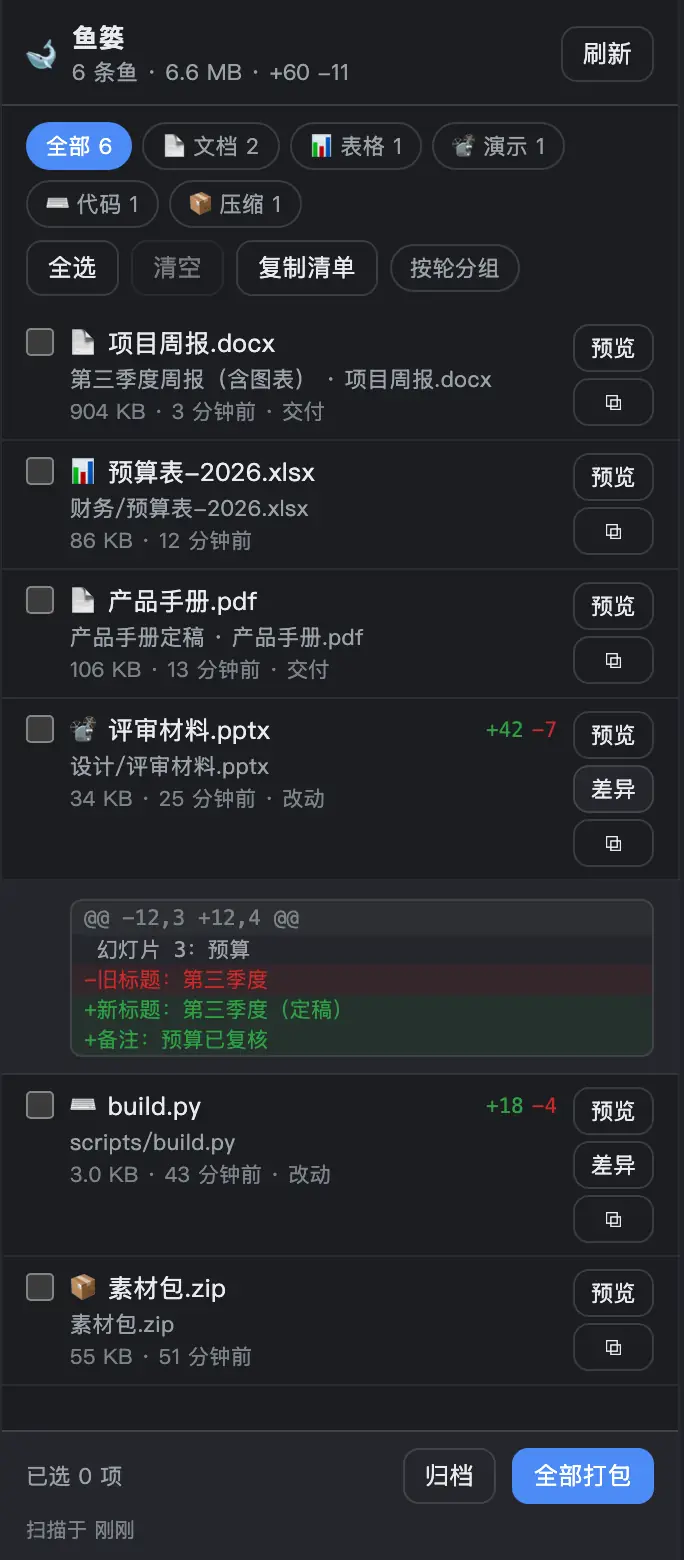
A right-sidebar plugin that gathers every file created or changed in a DeepSeek Harness session into one basket, with preview, diffs, one-click zip and archive, so outputs no longer get lost a few screens up.
SpotlightFeature your build hereEvery new build takes this spot for a few hours, free, with your name on it. Submit a build - 7
A context-engineering plugin for DeepSeek Harness that filters tool output, prunes older context and discloses skills progressively; the author measured a 36% smaller payload over 100 replayed agent runs and 21% fewer input tokens in live runs.
- 8
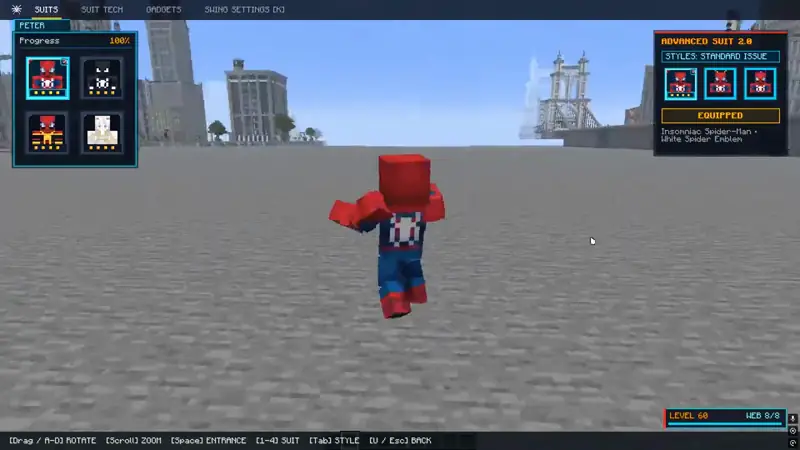
Noor had Gemini 4 Argon write a full Spider-Man mod for Minecraft, with web-swinging and custom animations, showing the model can work inside an existing game's modding system as well as on standalone web demos.
- 9
An independent Rust launcher that ports frequent DeepSeek Harness CLI work such as token counting, code search and session management to native code, while handing conversations to dsh, plus guided migration from Claude Code and Codex.
- 10
Vamsi Batchu gave Gemini 4 Argon @Aprilzz423's colorfigures skill and had it build six interactive diagrams of machines and subjects. Each one is a single HTML file that animates how the thing works.
- 11
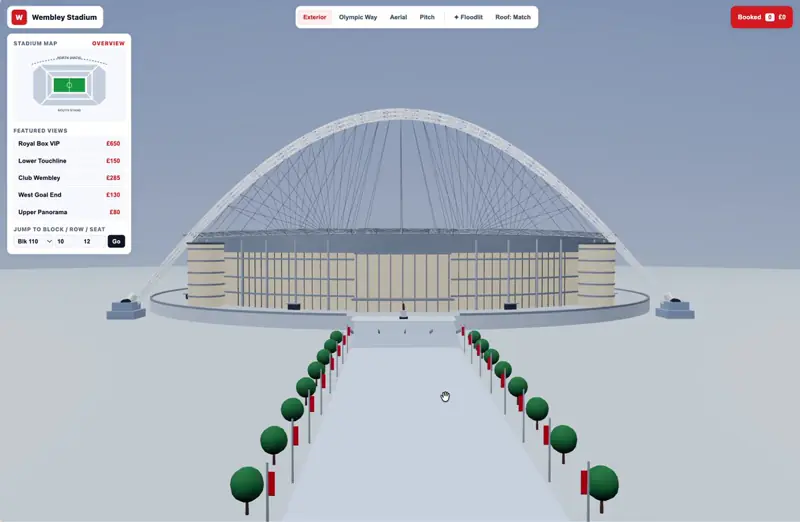
The Bugged Dev rebuilt Wembley Stadium in 3D with Gemini 4 Argon: every one of its 90,360 seats can be picked by block, row and number, and the camera flies to that seat to show its view of the pitch.
- 12
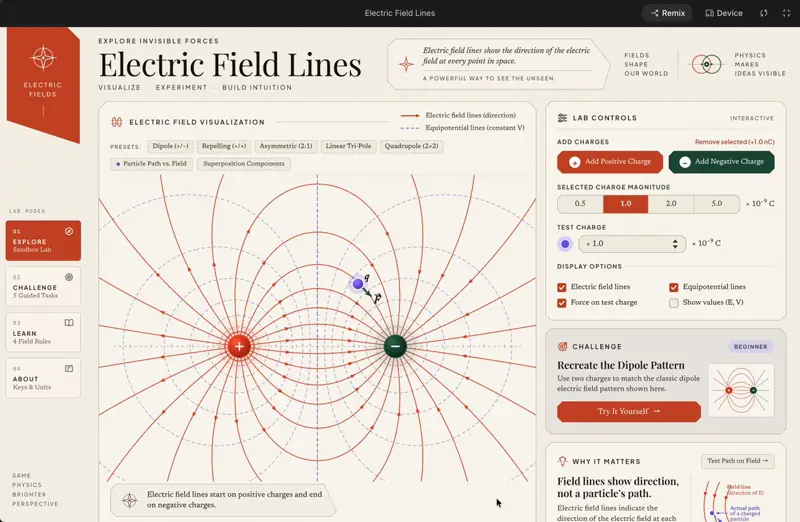
From a single prompt, Argon built an interactive physics lesson on electric field lines, with draggable charges, challenges and separate learning pages, useful for students and teachers.
- 13
Trains a local model on your Jev traffic and only answers locally when a Clopper-Pearson bound guarantees it matches Jev at your chosen rate (say 98%), cutting the API bill without silent drift.
- 14
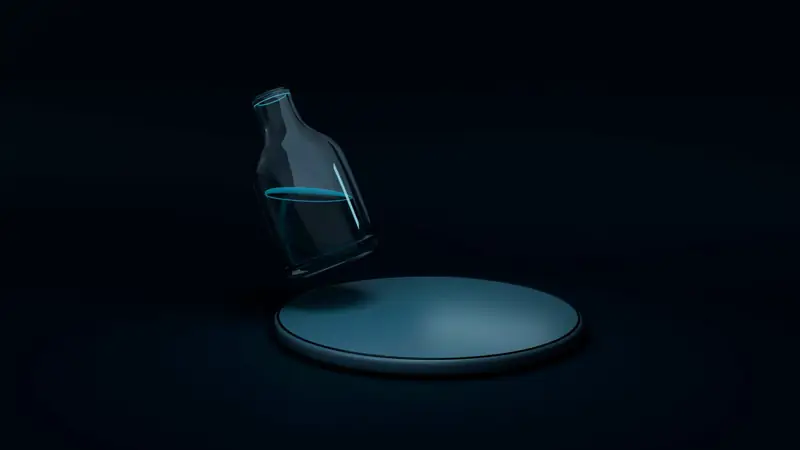
Drove Blender through MCP with K3.1 Pro on max effort to build an impossible-bottle object, a four-hour run. The builder is candid that the result is fine but the time it took is the real story.
- 15
After running their usual Boeing benchmark in the browser, Hugging Face's head of product ran the same 747 build again with Kimi K3.1 driving Blender. Comparing the two shows how much the toolchain changes the result.
- 16
Used Kimi K3.1 to build funnel-type visual effects in Unity, starting from assets they had already prepared. Their verdict: it is much better than DeepSeek at extending and varying an existing base, so batches of decent VFX become practical.
- 17
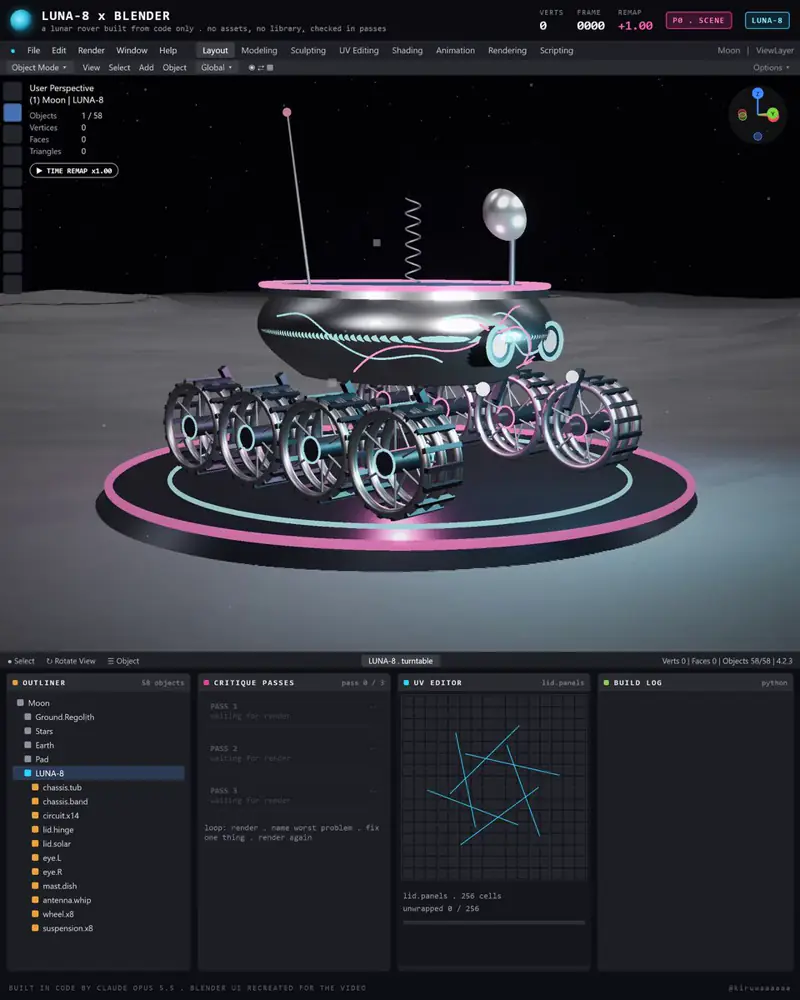
Tested Kimi K3.1 Pro's claim about parametric modelling with a lunar rover where every wheel, hinge and light is written in code, with no asset library or model files. The eight-wheel layout follows the Soviet Lunokhod.
- 18
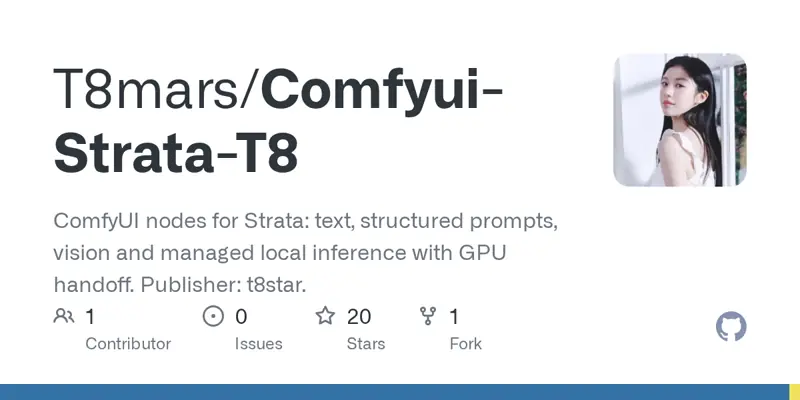
ComfyUI nodes that plug Strata's local Qwen3.8-Flash-Next text and vision inference into image workflows for prompt writing, storyboards, image captions and video analysis, handing the GPU back to the drawing nodes when done.
- 19
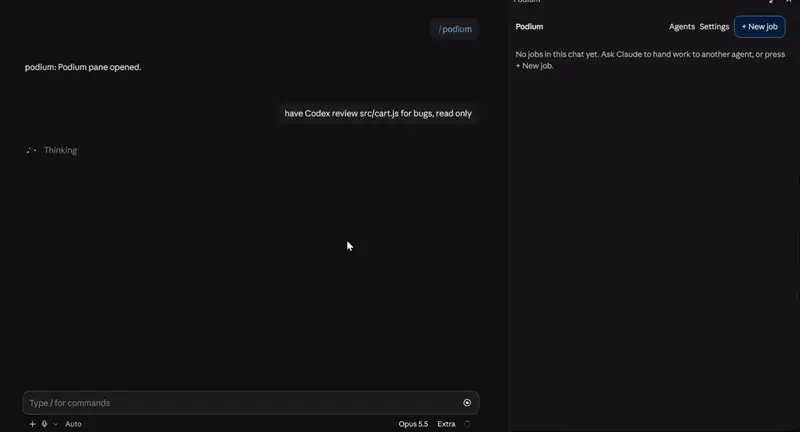
Lets Claude hand work to other coding agents on your machine and follow every job in one pane. Editing agents work in a separate sandboxed copy of the repo, and you keep or discard their diff.
- 20
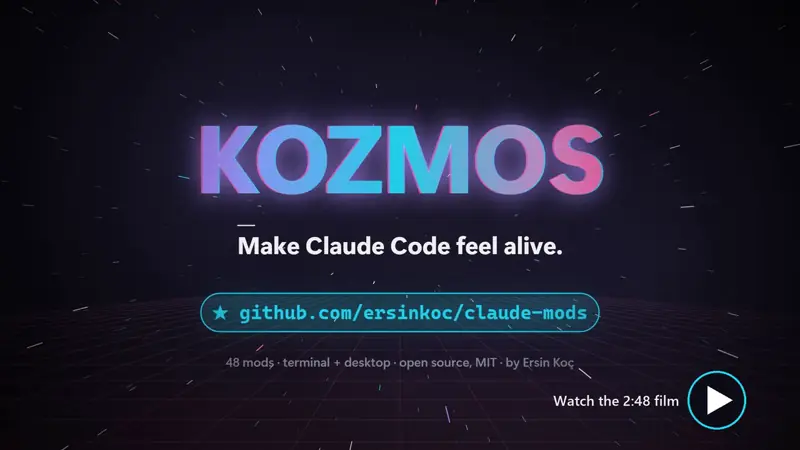
A bundle of 49 visual mods (orrery bands, a bridge pane, tickers, companions, guards and sound) that show what Claude is doing, its cost, your limits, subagents, git state and machine heat. Each one draws in both the terminal and the desktop app.
- 21
A tool that carries memory, context, credentials, keys and device access across personal agents, so switching from Muse to Duet starts where you left off.
- 22
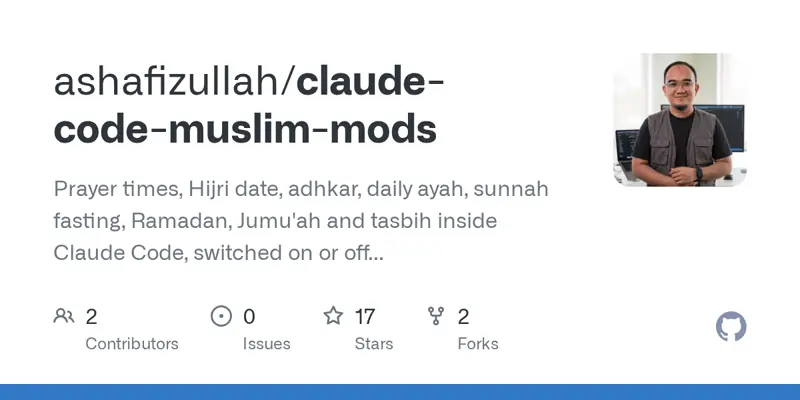
A /muslim dashboard that adds a prayer countdown, the Hijri date, adhkar, a daily ayah, sunnah-fasting and Ramadan reminders, and a salah break that holds your prompts until prayer is over.
- 23
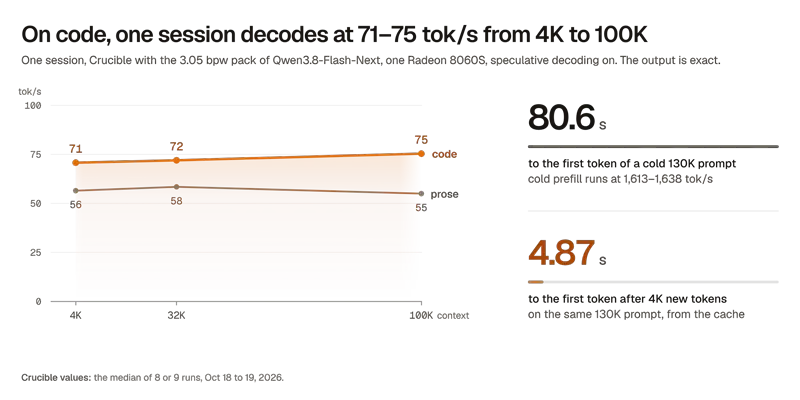
A C++20 ROCm engine that runs EXL3 checkpoints of Qwen3.8-Flash-Next on one Ryzen AI Max+ 395, decoding code at 71-75 tok/s from 4K to 100K context, with exact speculative decoding and speed claims checked against hardware limits.
- 24
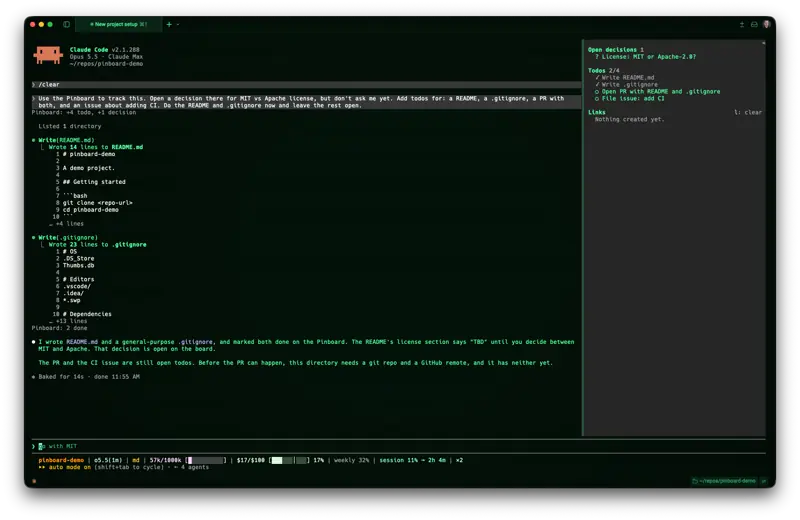
A sidebar pane where Claude's open questions, the session's todos and links to PRs or issues it created stay put instead of scrolling away. A Stop hook pins any question left at the end of a reply.
- 25
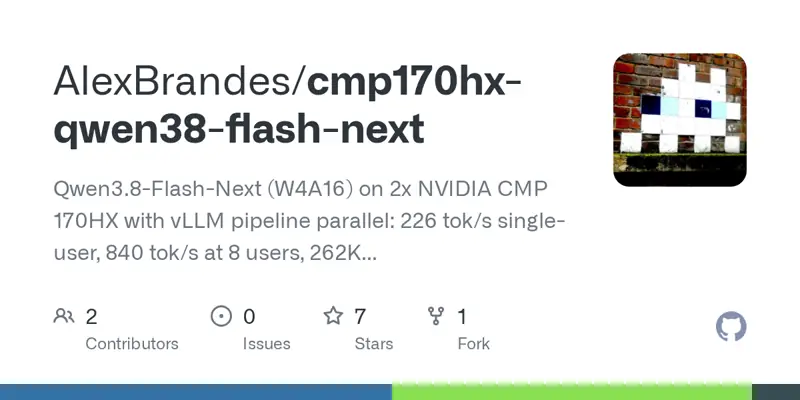
A vLLM fork and container that runs Qwen3.8-Flash-Next on two cheap CMP 170HX mining cards over PCIe Gen2 x4, reaching 226 tok/s for one user and 840 across eight, with HumanEval 157/164 to show quality holds.
- 26
A Strata-based backend that compiles every layer of Qwen3.8-Flash-Next into SynapseAI graphs with over a hundred hand-written TPC kernels, serving the 512-expert model at 256K context on one Gaudi2 at about 155 tok/s decode.
- 27
Keen Code, a terminal coding agent, now asks Jev to classify each task and auto-pick the model, with fail-open behaviour and a documented routing policy so cheap turns stay cheap.
- 28
An interactive explainer and agent skill where Jev picks one page element at a time with a confidence score; you can replay real runs on Hacker News, Amazon and Yahoo or run one live.
- 29
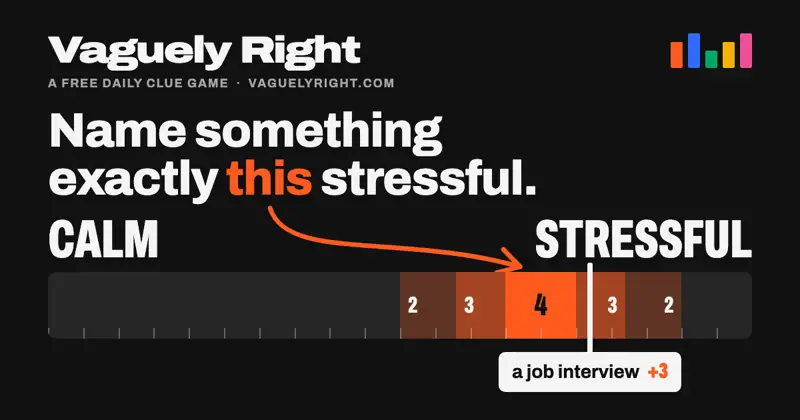
A free daily word game: name something that lands on a target point of a spectrum like calm-to-stressful, and Jev places your clue and scores it; five rounds a day, the same for everyone.
- 30
Lets Claude Code sessions and Grok Bot agents ask each other questions and hand off work through each vendor's routine endpoints, with no middleware, so the two agent stacks can unblock each other.
- 31
Configs, launchers, a test harness and raw results for running DeepSeek 1017 (through Xolotl), GLM-5.3-Flash and Qwen3.8-Flash-Next on a single RTX 3090 with 128 GB of RAM on Windows 11. The builder's Windows port was merged upstream into Xolotl.
- 32
An open-source kit and SDK for connecting physical gadgets such as an ESP32-S3 with OLED to Grok Bot through a gateway, set up from a phone with no cable, so your bot can act in the real world.
- 33
Debbie O'Brien built an Alexa skill on a Cloudflare Worker that verifies Echo requests and forwards spoken questions to a Grok Bot routine webhook, so you can say 'Alexa, ask chief bot' and get the answer in chat.
- 34
A Cloudflare Worker that verifies Discord's signed interactions, checks user/channel allowlists and forwards slash commands to a Grok Bot routine webhook, so a team can ask the bot questions from Discord.
- 35
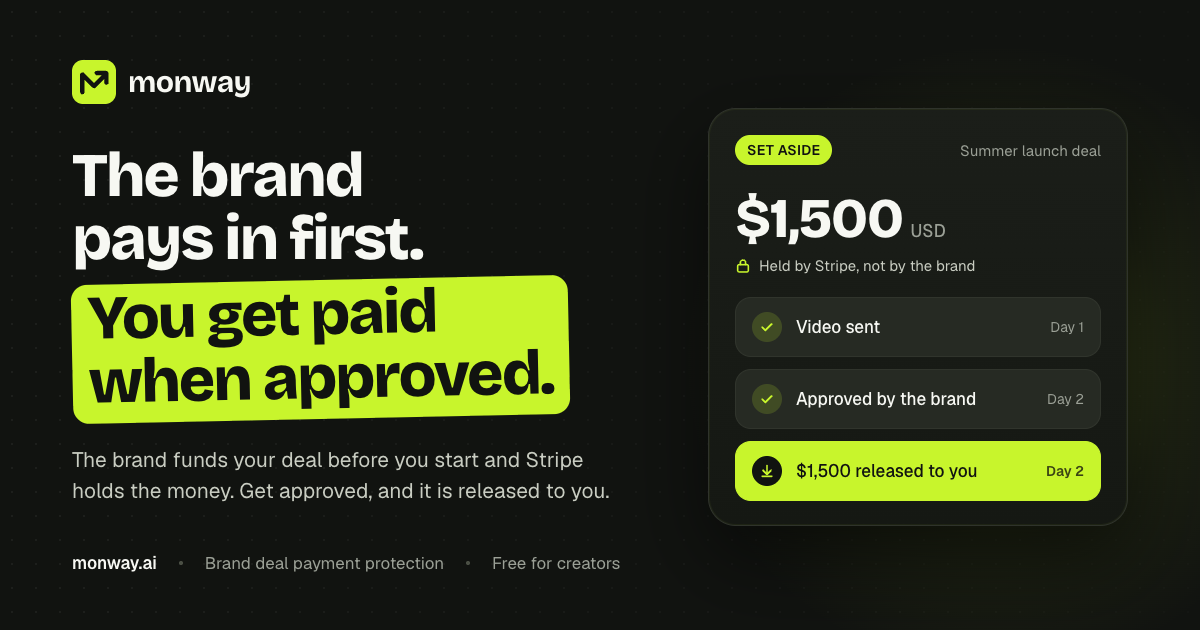
The brand funds your deal before you start and Stripe holds the money. Get approved, and it is released to you. Free for creators.
Mohith kumar - 36
Community ESP32-S3 firmware for Muse gadgets with a Chinese UI, switchable pixel characters, clock, alarms, Pomodoro timer, photo frame and smart-home clients, so Chinese speakers get a fuller desk companion.
- 37
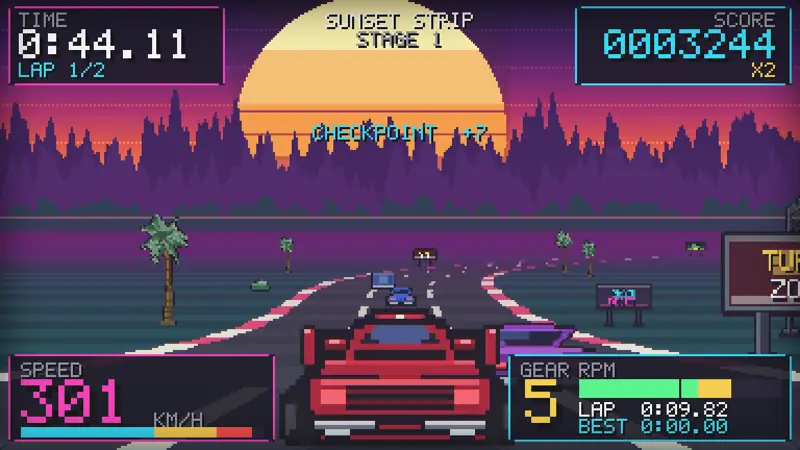
Released on launch day: an arcade racer with a pseudo-3D road, procedural pixel art and chiptune music, built with DeepSeek 1017 as a single HTML file. It has no assets, dependencies or network calls, and has CI and a live Pages build.
- 38
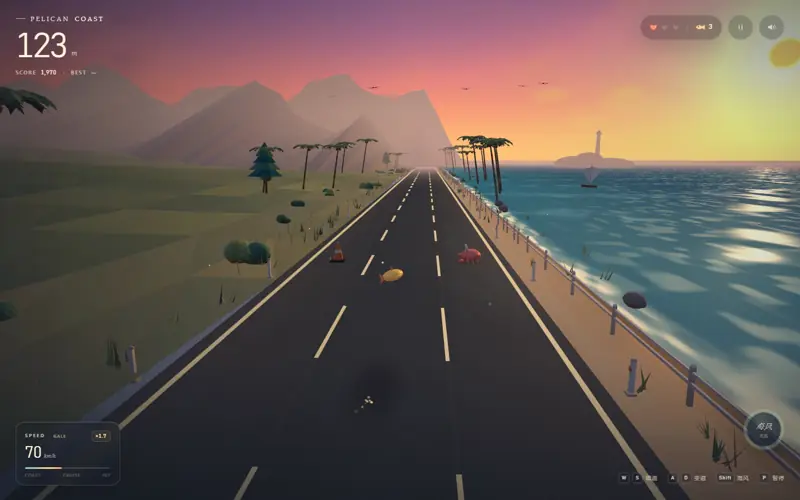
A sunset-coast pelican riding game in one zero-dependency HTML file, built to test DeepSeek 1017 end to end and checked in a real browser. Version 1.1 improves the gameplay, difficulty and characters.
- 39
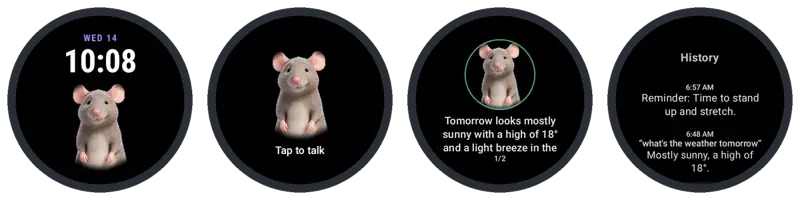
A Wear OS app that turns a Samsung Galaxy Watch into a Muse voice gadget with a watch face, animated avatar and messages from Muse, so you can ask your agent things from your wrist without pulling out a phone.
- 40
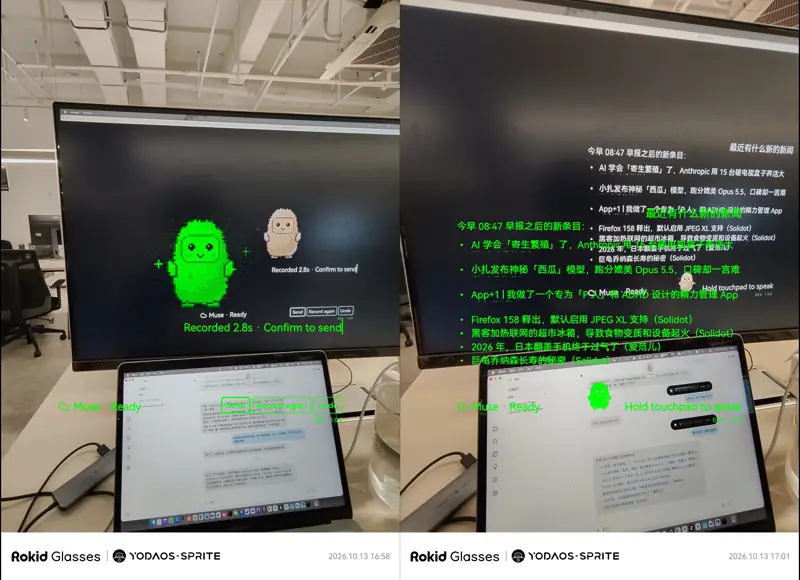
Puts Muse on Rokid glasses with voice input, streaming Markdown replies and an animated pixel avatar, using the Muse Gadget SDK plus Rokid AIUI with BLE pairing, so Muse works on non-Meta smart glasses.
- 41
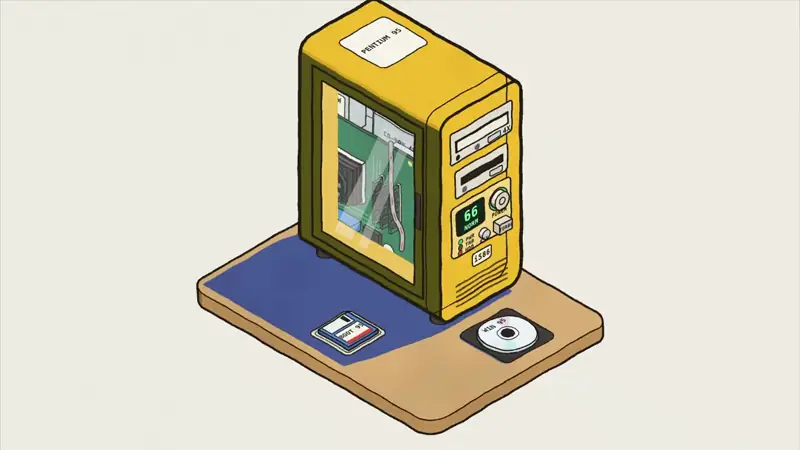
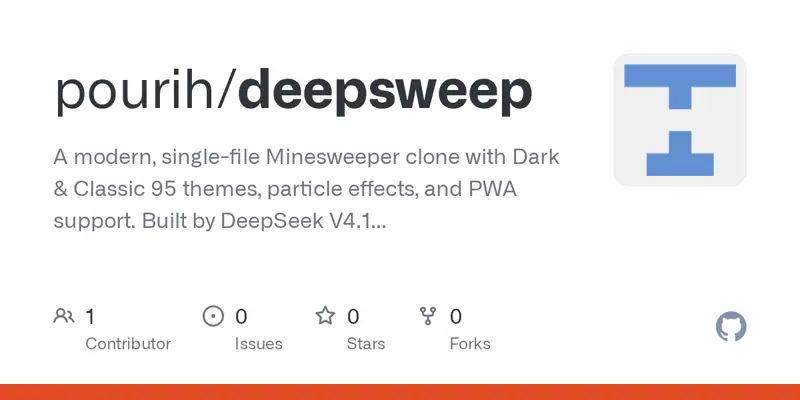
A one-file Minesweeper made with DeepSeek 1017. A background worker makes sure every board can be solved by logic alone, and it adds a Windows 95 theme, confetti, screen shake and PWA install. Playable live on GitHub Pages.
- 42
A small layer on top of MLX that keeps only the always-used weights in memory and streams the routed experts from the SSD as needed. It runs the 346 GB quantised Muse Spark Open on a 128 GB M5 Max MacBook, a model far larger than its RAM.
- 43
Published the day after release: a measured recipe that splits the 816B model across two GB10 nodes over 200 GbE with llama.cpp RPC. It serves an OpenAI-compatible API with tool calls and reasoning at about 7 tok/s decode and 263 tok/s prefill.
- 44
A Georgia Tech student runs Clef-flash on an always-on laptop to watch 2,300+ company job boards, rank daily internship matches, push the best to his phone and filter news, all on free APIs.
- 45
Wraps a coding agent in a recursive six-phase QA loop where a panel of decision models led by Clef and Clef Flash makes every coverage, triage, severity and regression call while the agent does the legwork.
- 46
A Go reference service that reads crypto headlines and asks Clef-flash for typed, calibrated calls before any trade fires, arguing that regex reads words while decision models read meaning.
- 47
Pairs Laya with Playwright so the model chooses which on-page element to act on in about 100 ms on an M1, shipped as a warm service, MCP server, CLI and Claude Code skill.
- 48
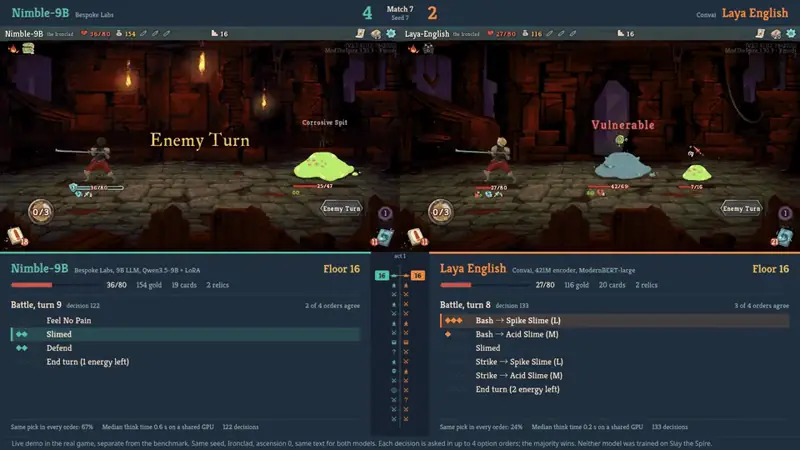
Every Slay the Spire choice, from card rewards to each card played, is made by a typed-decision model; three Laya checkpoints and Nimble-9B play the same 200 seeds zero-shot and after fine-tuning.
- 49
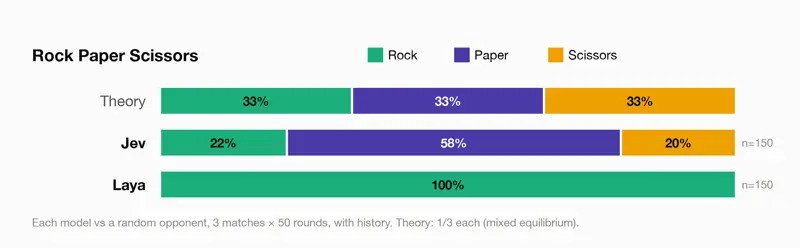
Pits Jev against Laya in rock-paper-scissors, the prisoner's dilemma, ultimatum and more with identical inputs, comparing their play to game theory, and lets you watch or play against them.
- 50
A service that lets friends' Muse agents talk to each other to find a night everyone is free and a place everyone likes, then bring each person one plan to approve instead of a group-chat back-and-forth.
- 51
A university lab fine-tuned Laya to read a free-text amplifier request and answer closed design questions (topology, input stage, compensation) in ~8 ms, feeding a circuit-design agent.